
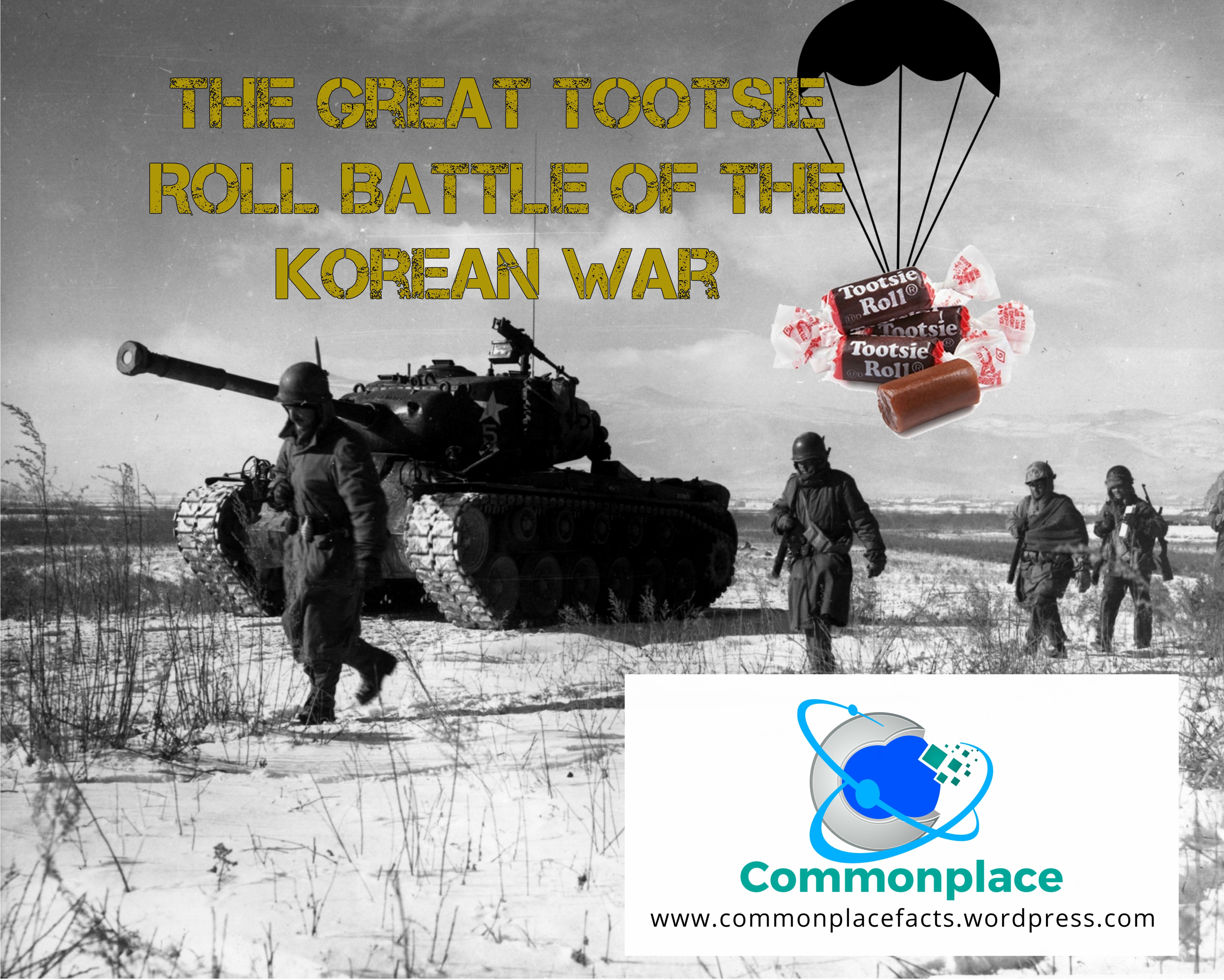

Chosin Reservoir, Tootsie Rolls, and the Problem With a Really Good Story
On Veteran’s Day we honor the men and women who served in uniform, usually by reminding ourselves of their bravery, ingenuity, and ability to function under conditions that would make the rest of us immediately lie down and wait for warmer centuries. Few moments in American military history test those qualities more severely than the Battle of Chosin Reservoir during the Korean War.
It’s also a battle that has acquired one of the most enduring — and most cheerful — legends of twentieth-century warfare. The trouble is that like many great war stories, the candy part may not be quite as literal as we’d like.
Contents
The Cold That Wanted Everyone Dead
November 1950 was not a good month to be surrounded in the mountains of North Korea. United Nations forces, including roughly 10,000 Marines of the 1st Marine Division along with Army units and allied troops, found themselves encircled by a vastly larger Chinese force near the Chosin Reservoir.
The cold was not a backdrop; it was an active participant. Temperatures plunged to thirty degrees below zero. Weapons froze. Vehicles cracked. Food rations became decorative bricks. Medical supplies turned rigid and uncooperative. Frostbite casualties piled up alongside combat wounds, and sometimes faster.
This was not a neat battle with a beginning, middle, and triumphant end. It was a fighting withdrawal through ice, darkness, and constant pressure, where the objective was not glory but survival — and where simply keeping men moving became a tactical achievement.
A Breakout That Shouldn’t Have Worked

Despite being outnumbered, cut off, and freezing, the Marines and attached units did something extraordinary. They fought their way south, hauling their wounded, salvaging equipment where possible, and refusing to dissolve into chaos. The breakout toward the port of Hungnam remains one of the most remarkable fighting withdrawals in military history.
Casualties were staggering: thousands killed or wounded, and thousands more suffering severe frostbite. But the force did not collapse. Those who survived earned a name that still carries weight — “The Chosin Few.” The more cynical called themselves “The Chosin Frozen.”
Enter the Tootsie Rolls
Somewhere in this frozen ordeal, a story took root. According to the popular version, Marines running dangerously low on 60-mm mortar ammunition radioed for emergency resupply using the code word “Tootsie Rolls.” The message, allegedly misunderstood by someone without the proper code sheets, resulted in pallets of actual Tootsie Roll candy being dropped instead of mortar rounds.
The punchline writes itself. Candy instead of ammunition. Chewing your resupply. Chocolate raining from the sky while surrounded by enemy forces in subzero temperatures. It’s the kind of story that practically demands to be told again.
What Almost Certainly Happened Instead

The reality appears to be less cinematic and more logistical. Tootsie Rolls were already part of military rations and post-exchange supplies, and large quantities were present in the region. As conventional food became unusable in the cold, candy suddenly became valuable — not as a morale boost, but as something that could still be eaten.
Veterans’ recollections confirm that Marines consumed vast quantities of Tootsie Rolls during the breakout, and some recall using the candy — frozen rock-hard by the cold — as an improvised patching material for hoses and equipment. Those details seem genuine. The dramatic airdrop mix-up, however, appears to be a case of storytelling compression, where multiple truths were folded into one unforgettable anecdote.
That doesn’t make the story dishonest. It makes it human.
Why the Legend Stuck
Stories like this endure because they serve a purpose. They capture the absurdity of war, the improvisation demanded by chaos, and the way soldiers remember experiences that were otherwise too cold, too loud, and too painful to retell in raw form.
Whether Tootsie Rolls arrived by clerical error or simple availability, they became part of the shared memory of Chosin — a symbol of making do when nothing else worked. Candy didn’t win the battle. The Marines did. But the legend adds a human edge to an otherwise brutal chapter of history.
The Part That Matters
The Battle of Chosin Reservoir stands on its own without embellishment. Men fought in conditions that tried to kill them even when the enemy wasn’t firing. They adapted, endured, and refused to break. If a piece of candy helped fuel that effort — literally or metaphorically — then it earned its place in the story.
Just don’t confuse the wrapper with the war.
For more information, read about the tree that almost caused a second Korean War.
You may also enjoy…

The Panmunjom Axe Murder Incident (1976): The Tree That Nearly Started a Second Korean War
The Panmunjom Axe Murder Incident of 1976 nearly triggered war between the U.S. and North Korea after a dispute over a tree in the DMZ turned deadly.

How Many Licks Does it Take To Get to the Tootsie Roll Center of a Tootsie Pop?
Since the question “How many licks does it take to get to the Tootsie Roll center of a Tootsie Pop?” was introduced in a 1970 commercial, various researchers have attempted to answer it. Results vary, with averages ranging from 144 to over 1,000 licks. Tootsie Roll Industries receives many letters from kids claiming answers and…

South Korea Is Running Out of Time — And It May Already Be Too Late
South Korea is facing the lowest fertility rate in human history, setting the stage for a dramatic collapse across demographics, economy, culture, and society. Here’s what the future looks like—and why it’s nearly impossible to stop.





Leave a Reply