
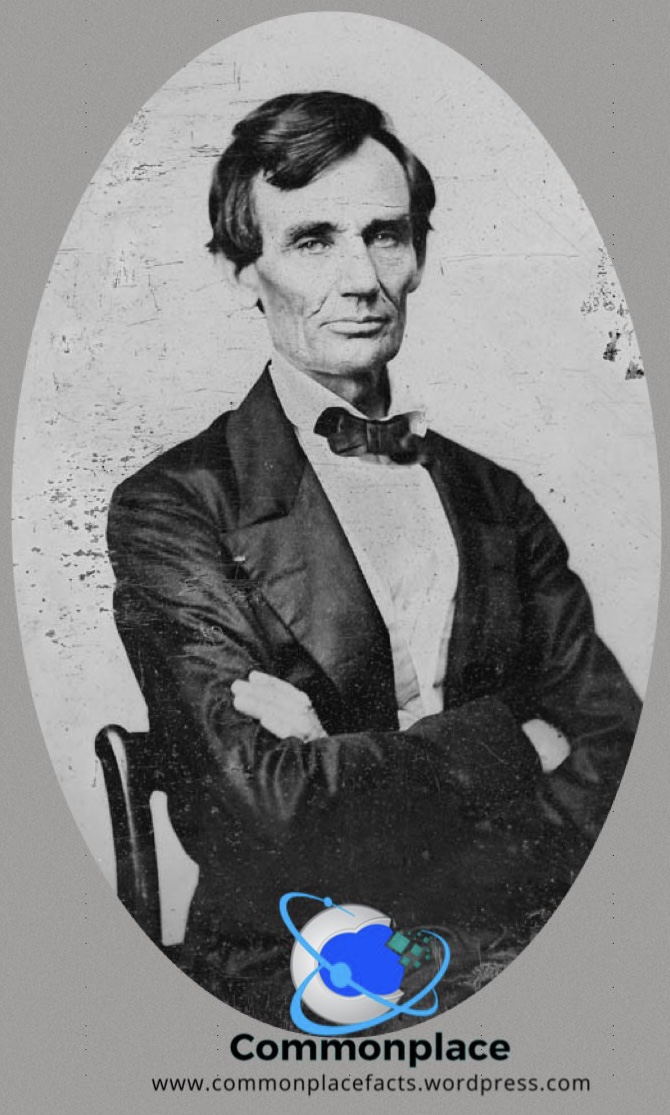

Abraham Lincoln had quite a reputation as a trial lawyer. He represented many clients, including big businesses and indigent persons in both civil and criminal matters.
He, like all lawyers, had to grapple with the question of whether he could represent someone he knew to be guilty. How do you defend a guilty person? Lincoln got to the point where he became somewhat picky about the types of cases he would take. He seemed to understand that his persuasive skills were so good that there was a better than even chance he could persuade a jury to find in the favor of his client, even if the facts and the law were against that person. He knew that he had a big responsibility toward society as a whole.
In his excellent book Lincoln’s Last Trial, author Dan Abrams writes:
… most often if [Lincoln] accepted the case, he believed he was representing an innocent person, and even in those times when he was not wholly convinced of his client’s role, he was determined to provide the best possible defense and let the law have its say. There was a story told about him that one afternoon, after having a conversation with a man who wanted to hire him, he said, “Well, you have a pretty good case in technical law, but a pretty bad one in equity and justice. You’ll have to get some other fellow to win this case for you. I couldn’t do it. All the time while standing talking to the jury, I’d be thinking, ‘Lincoln, you’re a liar,’ and I believe I should forget myself and say it out loud.”
You may also enjoy…

Abraham Lincoln: Resolve to Be Honest—Even If It Means Not Being a Lawyer
Discover Abraham Lincoln’s timeless advice on honesty in the legal profession, being an honest lawyer, and why integrity mattered more to him than winning a case.

Why Are Lawyers Not Addressed as Doctor in the United States?
Lawyers in the U.S. earn a Juris Doctor (JD) degree, not a traditional “Doctor” title. Harvard introduced the upgrade from LLB to JD in 1902, later adopted by other law schools. Despite this, ABA initially discouraged lawyers from using the “Doctor” label, believing it lacked the same prestige as PhDs. However, ABA’s stance has evolved,…

Judge Rules on Lawsuit 26 Years Late, After Finding File in His Attic
As far as landmark judicial decisions go, the mineral rights case of Ayers v Rubow is hardly a candidate to change the face of established jurisprudence. When Toole County, Montana Judge Ronald McPhillips issued his ruling in the case in the summer of 2009, it is doubtful few would have noticed, except for a couple of curious…




Leave a Reply