

Mummification: The Necessary and Hated Process
Anyone who has ever watched a movie that features a mummy knows that running away from the mummy is what people invariably do. That’s how it is in science fiction, anyway.
It was also true in real life, and the ritual took place in the earliest stages of mummification when the corpse was converted into a mummy.
Diodorus Siculus was a Sicilian historian from the first century B.C. He is best remembered for authoring the 40-book Biblioteca Historica which attempted to chronicle all history up to that time. Book I deals with Egypt and gives us some interesting insights into the practice of mummification.

Mummification was the Egyptian method of preserving a body after death. In this way, the Egyptians believed they were facilitating the rebirth of the deceased into a new life. For these reasons, the task could not be left to amateurs. It required skills in surgery and embalming, as well as detailed knowledge of anatomy, medicine, and religion. Specialists dealt with each aspect of the process that was steeped in both science and ritual.
It was a long and painstaking process. The team of practitioners took days to dehydrate the corpse with special salts, preservatives, and perfumes. Next was a 40- to 70-day drying process before the body could be wrapped in cloths for burial.
All of this would have been pointless without first removing the organs from the body. Naturally, this required an incision — a task left to a specialist who was aptly called the “slitter.” Becoming a slitter was an honor, but not necessarily the type of honor to which everyone would aspire. According to Diodorus:
First, he who is called the scribe, laying the body down, marks on the left flank where it is to be cut. The one called the slitter cuts the flesh, as the law commands, with an Ethiopian stone and at once takes to flight on the run, while those present set out after him, pelting him with stones, heaping curses on him and trying, as it were, to turn profanation on his head; for in their eyes everyone is an object of general hatred who applies violence to the body of the same tribe or wounds him or, in general does any harm.
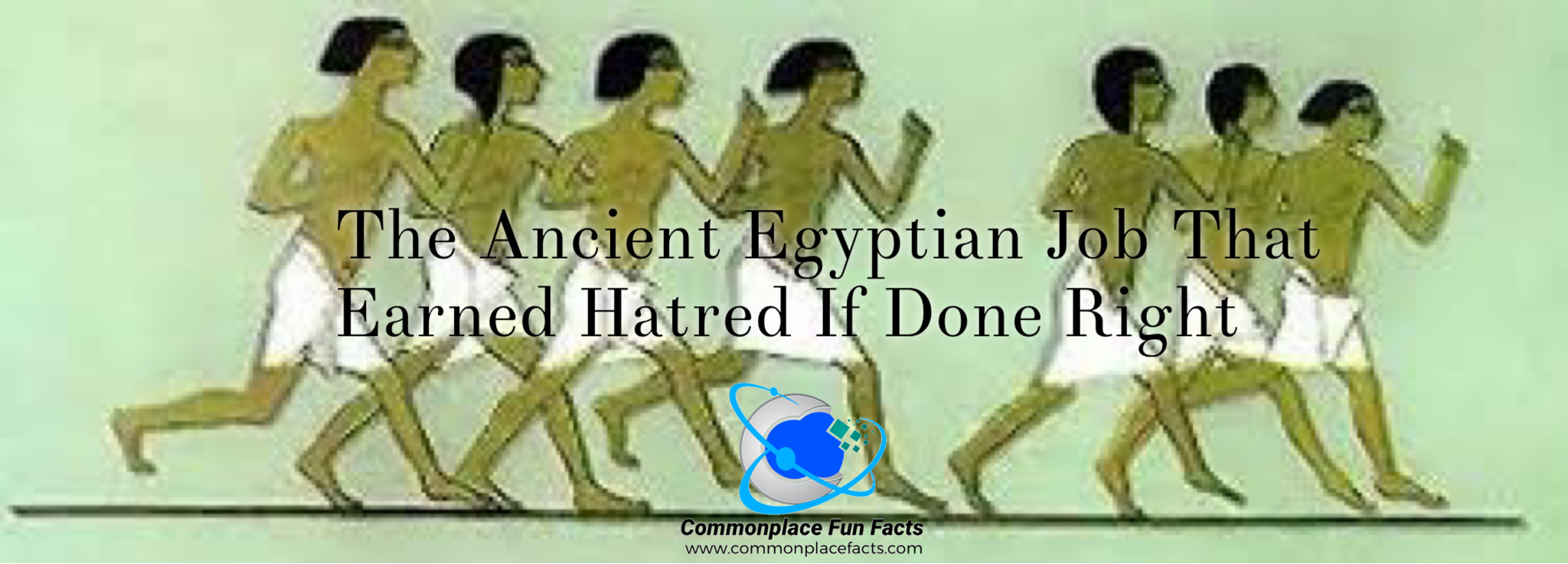
The slitter had a rather thankless job. The mummification process could not begin without cutting into the body. The culture viewed the body as sacred, however, so cutting into it was an act of defilement. Those who became slitters had to train themselves to be fast with a blade and even faster on their feet. As soon as he made his cut, he had to drop the knife and run for his life to escape those who sought to punish him for doing his job.
We suspect more than one slitter would have resonated with Abraham Lincoln, who spoke about the honor of the presidency. He said, “I feel like the man who was tarred and feathered and ridden out of town on a rail. To the man who asked him how he liked it, he said, ‘If it wasn’t for the honor of the thing, I’d rather walk.’”

The Freakish Fate of the Heart of Louis XIV
Was Louis XIV’s heart used for paint? Find out in this intriguing article about the Sun King.

The Six Million Dollar Mummy: The True Story Behind Hollywood’s Gruesome Prop
Discover the shocking true story behind The Six Million Dollar Mummy — a Hollywood prop that turned out to be a real mummified body with a bizarre criminal past.

Take Some Mummy Powder, A Few Drops of Gladiator Blood, and Call Me in the Morning
Quack medicine is nothing new. Over the centuries, people have ingested some pretty disgusting things in hopes of curing whatever ails them. Consider some of the following examples from history: Mellified Man: Take one male volunteer aged 70 or 80, bathe him, and feed him with nothing but honey. Upon his death (usually within a…







Leave a Reply to Jan SikesCancel reply