
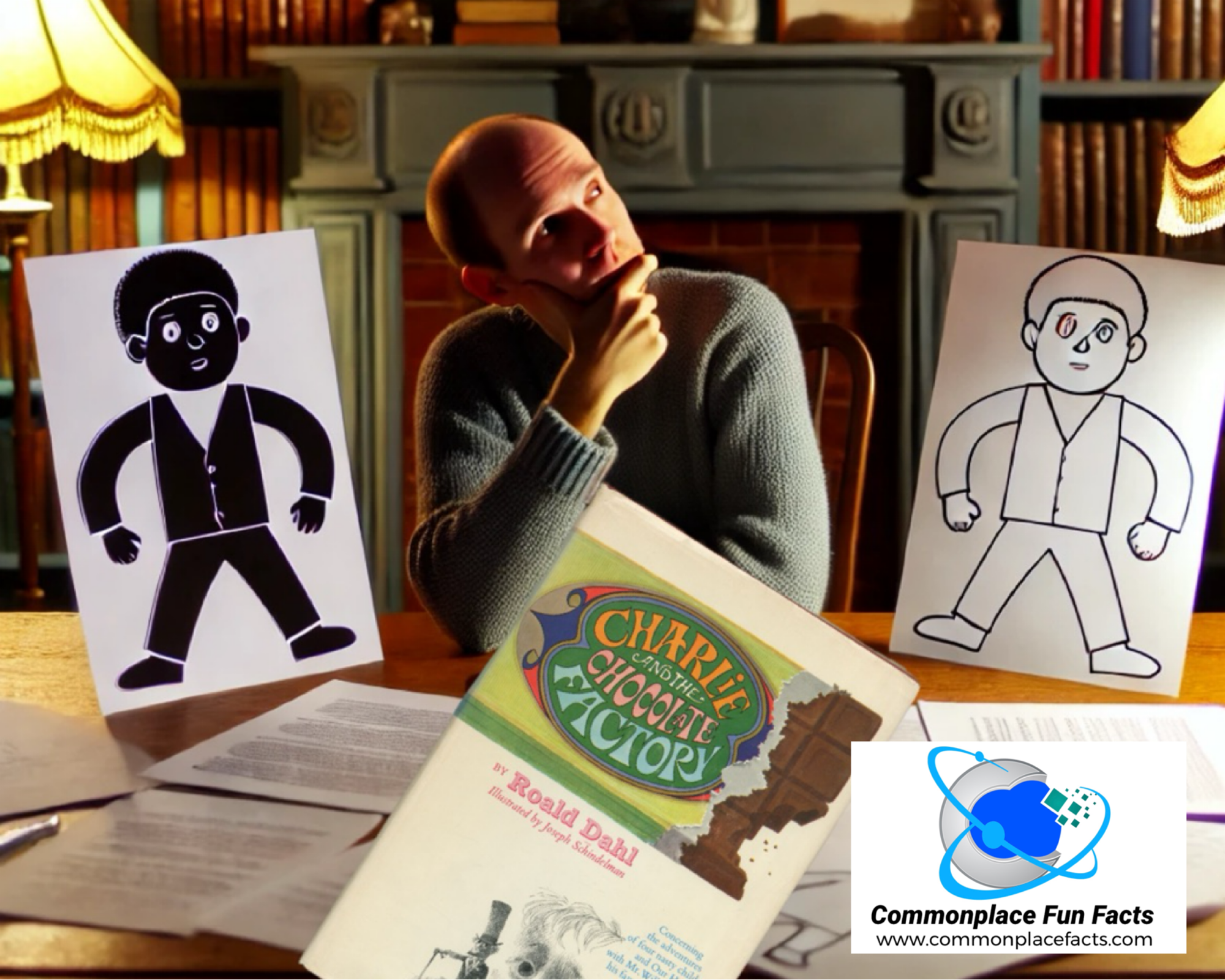

What could be more wholesome than Roald Dahl’s timeless classic Charlie and the Chocolate Factory? Since its publication in 1964, it has sold nearly 20 million copies in multiple languages around the world. It has been adapted for film, theater, radio, and the stage. Its iconic characters are known by one and all.
It’s possible you don’t know the characters as well as you think. At least, you may not know them the way the author intended. According to Roald Dahl’s widow, Liccy Dahl, the beloved chocolate-coated adventure was originally meant to feature a black Charlie. In an interview with BBC Radio 4 for Roald Dahl Day (yes, that’s a thing), she dropped this surprising nugget: “His first Charlie that he wrote about was a little black boy.”
Charlie and the Chocolate Factory’s Questionable Treatment of Race
But before you start imagining Willy Wonka singing a new version of “Pure Imagination,” you might wonder, what happened? Why the change? Sadly, Liccy Dahl wasn’t entirely sure herself, simply calling it “a great pity.”

Donald Sturrock was Dahl’s biographer and chief fun-spoiler of this story. According to him, Dahl’s agent nixed the idea, claiming a black protagonist might not fly with readers at the time. You can practically hear the collective cringe from all of us now, can’t you? Sturrock explained, “People would ask: ‘Why?’” Because, you know, having a black child as a main character in a fantastical world was apparently just too baffling. (This would be a good place for something to suggest a sarcastic voice. Unfortunately, we couldn’t find any sarcasm emojis when we researched that subject for this article.)
Now, this revelation may leave you scratching your head, especially given the fact that Dahl has faced accusations of racism before. Most notably, this was in regard to the original portrayal of the Oompa Loompas. In the first edition, these tiny workers weren’t the orange-skinned, green-haired folks from the Gene Wilder film. They were depicted as black pygmies from Africa. As you can imagine, that didn’t sit well with, well, anyone paying attention to historical context.
In the 1970s, the NAACP called out these unfortunate overtones of slavery, pointing out that importing black workers into a factory was, to put it mildly, problematic. Dahl, however, was adamant that he didn’t intend any racism. That said, even he could see the issue. In a rare moment of literary revision, Dahl rewrote the Oompa Loompas for the U.S. edition, transforming them into white, hippie-esque dwarves from the fictional land of “Loompaland.”

As for Hollywood, they sidestepped the controversy by giving us the brightly colored, orange-and-green version we know today. (Because nothing says “innocent candy workers” like looking like they just escaped from a really bad spray tan parlor.)
Despite all this, Dahl’s Charlie and the Chocolate Factory remains his top-selling book. Its sequel, Charlie and the Great Glass Elevator, has racked up respectable sales, as well. Apparently, chocolate and adventure sell—no matter the color of the protagonist.

The Original Cinderella: The Blood, the Birds, and the Butchery Disney Forgot
Discover the shocking, horrifying truth behind the Brothers Grimm’s original Cinderella — a tale filled with blood-soaked slippers, toe-less stepsisters, and vengeful pigeons. The real story is darker, stranger, and far creepier than the Disney version.

Snow White: The Fairytale That Might Just Be a True Crime Story
Was Snow White a real person? Explore the dark origins of the classic fairy tale, from Grimm brutality to real-life German nobility, child miners, and poisoned apples. Discover the truth behind the fairest tale of them all.

The Pied Piper of Hamelin: Dark Legend or True Story?
Discover the eerie legend of the Pied Piper of Hamelin, a tale rooted in medieval history and mystery. Explore the chilling story of how a colorful musician rid Hamelin of its rat infestation—only to take the town’s children when his payment was denied. Was it a folktale, a mass migration, or something even darker? Unravel…


Leave a Reply