

The history of how the unit of length known as the foot ended up being 12 inches is long and varied. When it came time to develop a metric unit of length, those in charge were determined to come up with something a lot more precise.
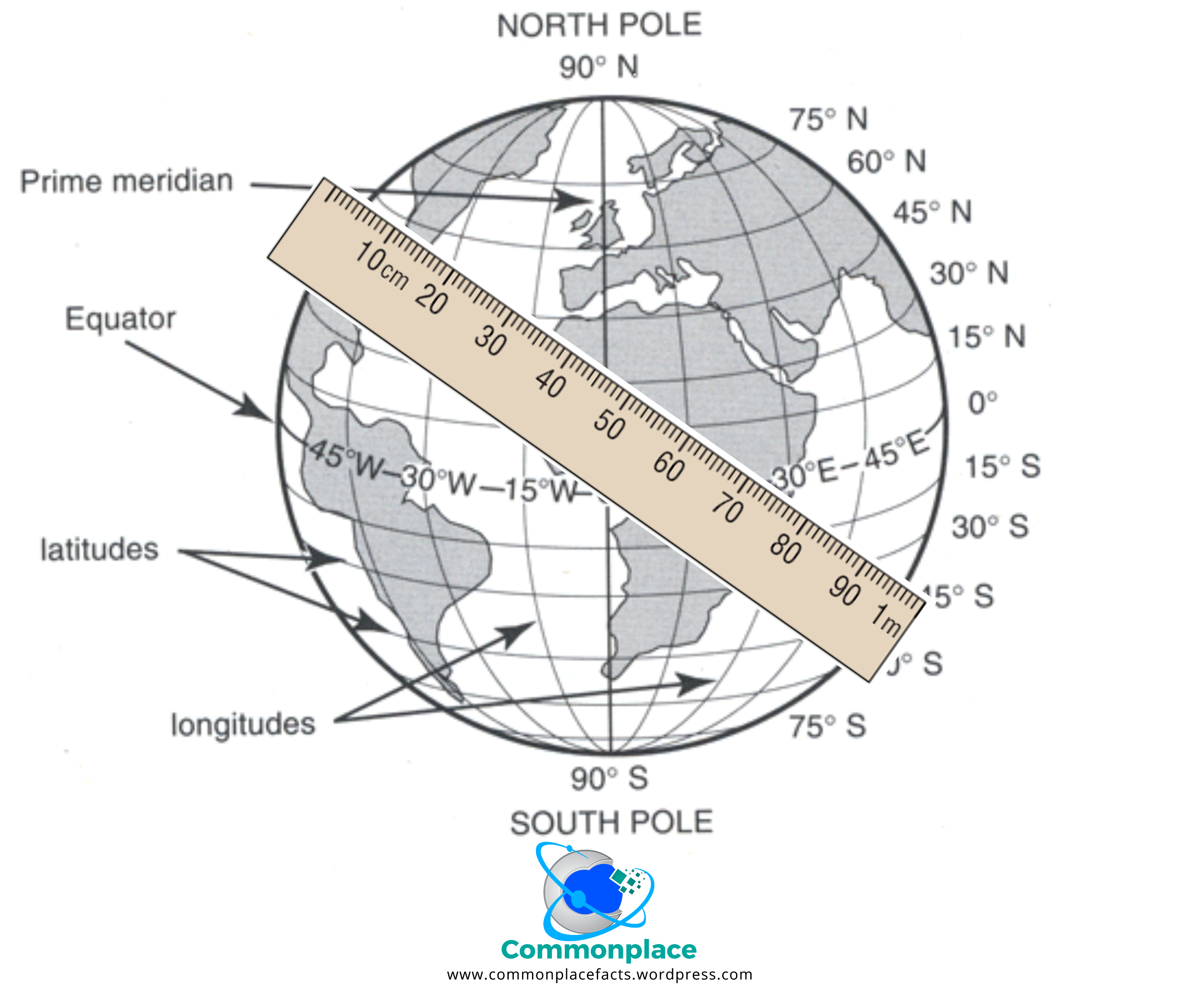
On March 30, 1791, the French Academy of Sciences settled on the official length of a meter. A meter is one ten-millionth the distance of the journey from the North Pole to the Equator in a straight line that takes you through Paris. In other words, it is 1,000 kilometers from the North Pole to the Equator.
These days there is a less cumbersome way of figuring out the length of a meter. If you aren’t interested in making that 1,000 km journey, you can use the scientific definition: “the length of the path traveled by light in vacuum during a time interval of 1/299,792,458 of a second.”
Read more fun facts about measurements.
Read more fun facts about Paris.






Leave a Reply