

The Tragic Tale of Lindy Chamberlain
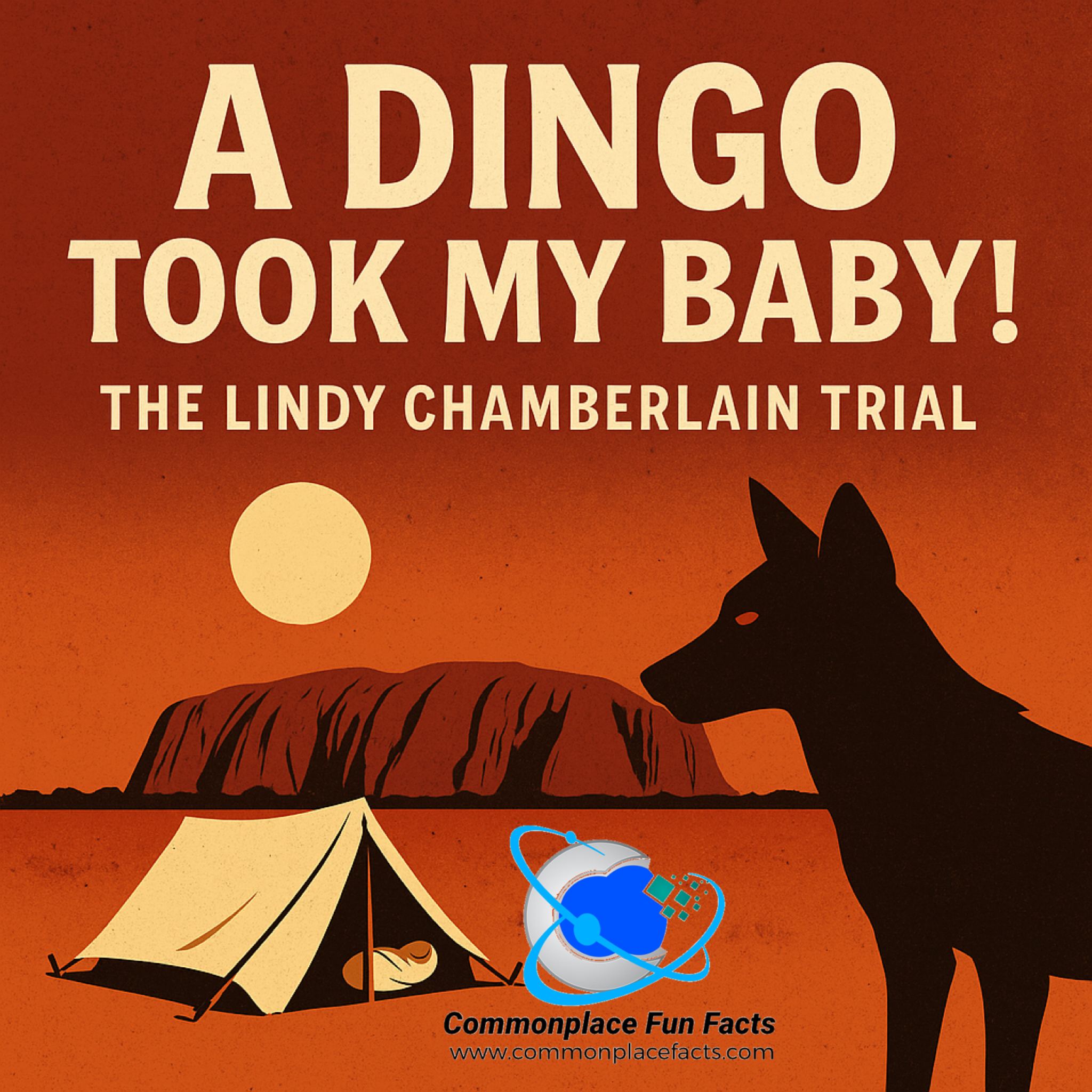
Picture this: you’re camping at the foot of Australia’s sacred Uluru, enjoying the vast, majestic nothingness of the Outback. You’ve got your baby tucked into a tent, your marshmallows ready for roasting, and your biggest worry is that you might’ve forgotten the bug spray. Then—chaos. Screams pierce the desert air. A mother is yelling, “A dingo’s got my baby!” And just like that, one of the most infamous, misunderstood, and media-fueled trials in Australian history is born.
Welcome to the true-crime horror show that was the trial of Lindy Chamberlain. It’s got everything: grief, wild animals, courtroom drama, questionable forensic science, tabloid frenzy, and the kind of public opinion whiplash that would make even Twitter go, “Whoa, let’s dial it back.”
Contents
Setting the Scene: Uluru, 1980

On August 17, 1980, Lindy and Michael Chamberlain were camping at Uluru (then called Ayers Rock) with their three children, including their 9-week-old daughter, Azaria. During the evening, Lindy reported hearing a noise from the tent, checked inside, and found the baby missing. Her cry—“A dingo’s got my baby!”—would become tragically iconic.
Now, in a logical world, this would be the part where rangers and wildlife experts go, “Yeah, dingoes are known to snatch things, including livestock and, possibly, tragically, babies.” But no. Instead, the public narrative took a hard left turn into “Let’s put this grieving mother on trial, literally.”
The Trial of the Century (Down Under Edition)

The investigation quickly turned from “find the baby” to “find the mother’s motive.” Theories abounded. Lindy was cold. Lindy didn’t cry enough. Lindy wore too much black. (Yes, really. The Australian public began projecting enough suspicion to power a small grid.)
In 1982, Lindy Chamberlain was charged and convicted of murder. Prosecutors argued she had killed Azaria in the family car and faked the dingo story to cover it up. The “evidence” included traces of what was claimed to be fetal blood in the car. The forensics were widely acceptable at the time, but were later deemed to be unreliable because of poor testing protocols.
Michael Chamberlain was convicted as an accessory and received a suspended sentence. Lindy, pregnant with her fourth child at the time, was sentenced to life in prison. Because clearly, nothing says “justice” like imprisoning a mother-to-be for a crime based on vibes and public sentiment.
The Plot Twist Nobody Saw Coming
With Lindy sitting in prison, the public turned its attention to other matters. As far as anyone was concerned, this unhappy matter was resolved.
Then, in 1986, the case returned to the headlines in a way that no one saw coming. A hiker stumbled upon a key piece of clothing—Azaria’s missing matinee jacket—in a dingo lair near Uluru. This was the very item Lindy had always insisted Azaria had been wearing at the time of her disappearance. Turns out, she wasn’t lying. A dingo had actually taken her baby.
Lindy was released from prison and later fully exonerated. A Royal Commission (which is Australian for “Oops, our bad”) concluded the original investigation was a mess. It turns out when you’re chasing headlines instead of facts, innocent people suffer.
From Villain to Victim
The Chamberlain case became a textbook example of trial by media and public perception. Lindy’s perceived lack of emotion—a cultural misunderstanding of grief—was treated as evidence of guilt. Her religion (Seventh-day Adventist) and demeanor were used against her. Basically, she was convicted for being a too composed while female. The horror.
In 2012, a new coroner’s report officially ruled that a dingo did, in fact, take Azaria. It only took 32 years to get the legal system and public opinion to agree with Lindy’s original, panicked cry in the desert. Sometimes justice moves slowly, especially when it’s dragging a wheelbarrow full of media bias behind it.
The Lasting Legacy
The Chamberlain case transformed public understanding of how trauma is expressed—and how damaging it can be to confuse stoicism with sociopathy. It also brought much-needed scrutiny to the role of the media in high-profile legal cases. Plus, it made everyone take a long, hard look at dingoes. Turns out they’re not just cute, scruffy wild dogs. They’re apex predators with a fondness for unattended snacks—human or otherwise.
And yes, the phrase “A dingo ate my baby!” got turned into a pop culture punchline, which is… awkward. It appeared in movies, sitcoms, and late-night comedy, often without people realizing it was rooted in a very real, very tragic case of loss and injustice.
Final Verdict
Lindy Chamberlain’s story is one of resilience in the face of profound loss and public humiliation. It’s a cautionary tale about snap judgments, the power of narrative, and what happens when society turns a courtroom into a theater.
Let’s just hope the next time someone says, “A dingo took my baby,” we listen before we jump to conclusions.
You may also enjoy…

Harsh Headlines and Historical Hate: The Long History of Negative Presidential Media Coverage
Discover how U.S. presidents from George Washington to Eisenhower faced brutal media criticism long before social media. Explore 200 years of negative presidential media coverage in this witty, historical deep dive.

Willie Francis: The Teenager Who Was Executed Twice
The shocking case of Willie Francis—the only person executed twice. Discover the failed electric chair attempt, Supreme Court battle, and the story behind Gruesome Gertie.

Abraham Lincoln Wrestles With Dilemma of Representing a Guilty Client
Abraham Lincoln had quite a reputation as a trial lawyer. He represented many clients, including big businesses and indigent persons in both civil and criminal matters. He, like all lawyers, had to grapple with the question of whether he could represent someone he knew to be guilty. How do you defend a guilty person? Lincoln…





Leave a Reply