
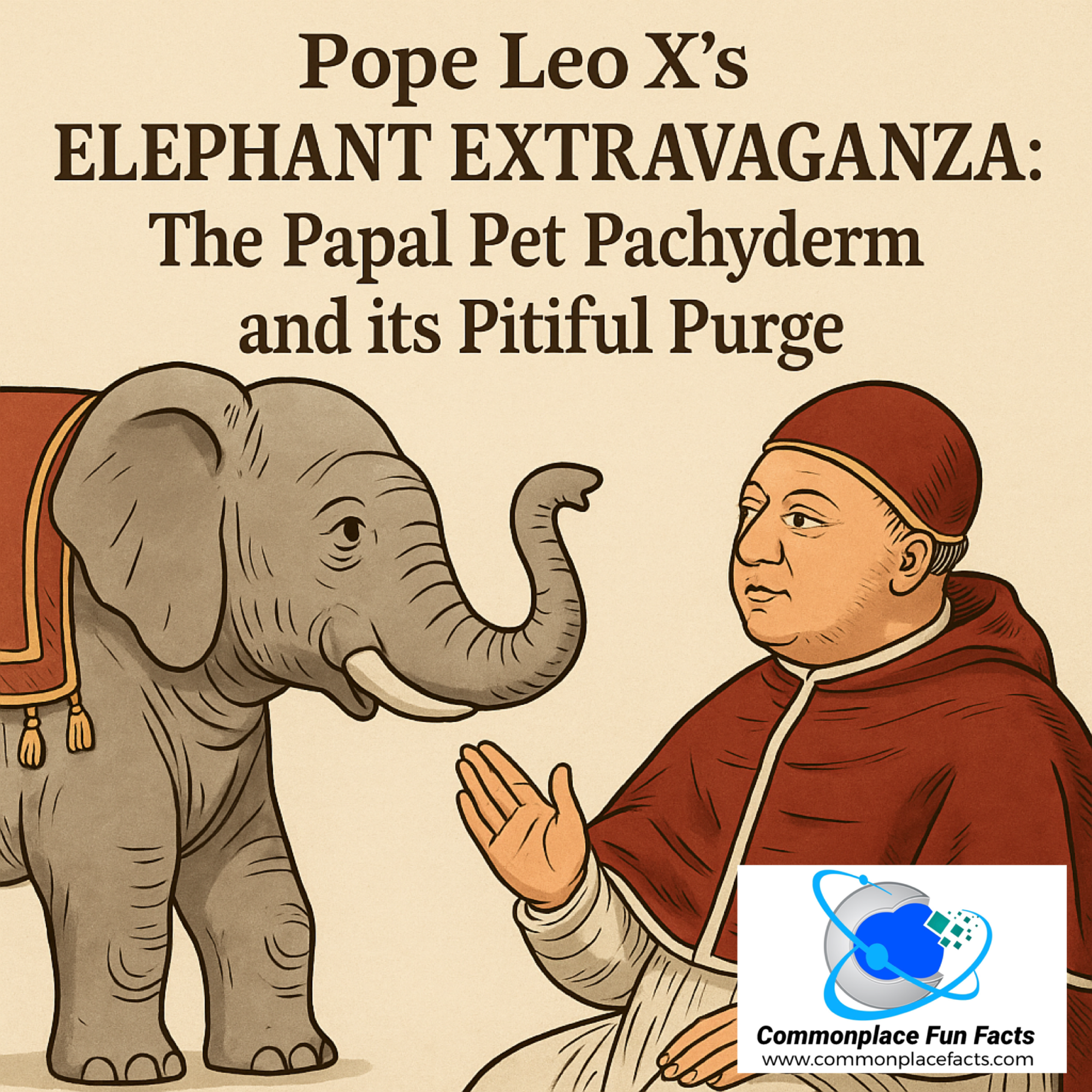

The eyes of the world are once again on the Vatican. The white smoke has risen, the bells have tolled, and social media is busily debating which papal name sounds most like a Hogwarts house. With a new pontiff choosing the name “Leo,” Vatican-watchers everywhere are asking the question that echoes down the marble halls of Church history: is this a subtle nod to Leo I, the peacemaker pope? A throwback to Leo XIII, the intellectual reformer? Or — and this is where things get interesting — could it possibly be a wink at the most extravagant Leo of them all? Yes, we’re talking about Pope Leo X, the Medici pontiff whose idea of papal stewardship included elephants, indulgences, and a budget that made Renaissance bankers weep.
Contents
Sure, the current Leo might be focused on spiritual renewal, climate change, and synodal unity. But back in the 16th century, the Leo in charge had different priorities. Priorities like staging massive banquets, commissioning art from Raphael, and casually accepting a live elephant as a diplomatic gift — which, depending on your standards, might make him either the greatest or most gloriously impractical pope in history.
So buckle your papal sandals, dear reader. We’re about to take a tour through the velvet-draped, gold-encrusted, hay-scented tale of Pope Leo X and his beloved beast, Hanno — the elephant who briefly turned the Vatican into the most opulent petting zoo in Europe.
The Pachyderm Gift That Keeps on Giving (Indigestion)

In 1514, King Manuel I of Portugal decided to impress Pope Leo X the way any self-respecting monarch would: by sending him an animal parade. And not just any animals — we’re talking parrots, leopards, and an albino horse that may or may not have been dyed. But the star of the show? A young Indian elephant named Hanno. After all, nothing says “I support your papacy” quite like a two-ton diplomatic gesture with tusks.
Hanno arrived in Rome to wild fanfare, accompanied by a troupe of handlers, musicians, and the Renaissance equivalent of a PR team. He could kneel on command. He could trumpet on cue. He might even have had a better résumé than half the College of Cardinals.
Pope Leo X: Party Pontiff, Patron of Pachyderms
Pope Leo X — born Giovanni di Lorenzo de’ Medici — was never one for subtlety. This is the man who said, “God has given us the papacy. Let us enjoy it.” And oh, enjoy it he did. Lavish banquets. Costly commissions. Elephant-themed events. He doted on Hanno like the beast was his own divine mascot.
Hanno lived in the Vatican Gardens in a custom-built stable, where he was treated to lavish meals, fancy attire, and frequent visits from VIPs. Renaissance children’s birthday parties could only dream of this level of extravagance. But, as with most Renaissance luxuries, things took a turn for the tragic.
The Elephant in the Room (Literally)
Hanno was only in Rome for two years, but he left a big impression — both figuratively and, let’s be honest, literally. Roman streets weren’t exactly built for elephant traffic, and there were more than a few unexpected potholes and startled donkeys in his wake.
Unfortunately, Hanno fell ill in 1516. And as any Renaissance physician might tell you, if bloodletting and powdered unicorn horn didn’t fix it, you were probably doomed. In Hanno’s case, the cure was a gold-laced purgative. Because if you’re going to treat digestive distress, why not do it with precious metals?

Shockingly (read: not shockingly at all), this royal enema led to Hanno’s untimely death. Leo was reportedly inconsolable. When Hanno passed away — from what can only be described as fatal Renaissance overmedication — Leo did not simply sigh, say a few words, and move on. No, this was the Medici pope, and mourning required art. Monumental art. Which is why, rather than just burying the elephant and calling it a day, Leo commissioned a memorial fresco in honor of his dearly departed pachyderm.
The task fell to none other than Giovanni da Udine, a trusted member of Raphael’s workshop. Now, before you ask — no, Raphael himself did not paint the elephant (he had bigger fish to fresco, like most of the Vatican). But Giovanni, who was already busy decorating the papal apartments, was tapped to create a visual tribute worthy of Rome’s most unusual celebrity pet.
The result was a large fresco in the Belvedere Courtyard (now sadly lost to time and renovations), which depicted Hanno in all his grey, wrinkly majesty. Rumor has it the elephant was portrayed in noble repose, draped in silks and finery, possibly shedding a single, noble tear — because Renaissance allegory knows no chill. The backdrop likely included symbolic elements such as palm trees, celestial spheres, or possibly a subtle nod to the fact that the creature had been felled by a very expensive laxative.
This wasn’t just sentimental papal mourning — it was branding. Pope Leo X was already known for surrounding himself with beauty and spectacle, and this fresco served as one last visual flourish to say, “Yes, I was the pope with the elephant. You’re welcome.”
Sadly, the fresco — like the elephant itself — did not survive the centuries. Between 16th-century weatherproofing and successive papal redecorating sprees (you try telling Pius V to leave Renaissance animal tributes alone), the artwork disappeared. All that remains is a handful of written accounts describing its grandeur and the lingering suspicion that future popes have a lot to live up to in the commemorative pet art department.
Legacy: From Holy Beast to Historical Footnote
Hanno may be gone, but his memory lives on — at least in the annals of “Wait, that really happened?” history. Statues have been erected in his honor. Letters referencing his antics survive in Vatican archives. He’s the subject of a book, art exhibitions, and (inevitably) internet memes.
As for Pope Leo X, his papacy went on to include a few other notable highlights — like signing off on indulgences to finance St. Peter’s Basilica (spoiler: that didn’t go over well with a guy named Martin Luther, who had his own disturbing issues with digestional byproducts). But no matter what else he did, Leo would always be remembered as the pope with the pet elephant.
And Now, A Trumpet Salute for Hanno
Today’s Pope Leo — assuming he’s brave enough to go full Leo X — probably won’t be commissioning an elephant stable next to the Vatican Gardens or feeding his pet pachyderm gold-laced laxatives (at least, we hope not). But if the name really is a nod to his flamboyant namesake, well, let’s just say the Swiss Guard might want to brush up on their elephant-handling skills. After all, history has shown us that when the papal tiara meets the animal kingdom, things get delightfully weird.
Whether our new pontiff channels the gravitas of Leo the Great or the glam of Leo the Extravagant, one thing is certain: he’s got some mighty big footprints to fill — metaphorically speaking, of course. Because the last time a Leo made this much noise, it was accompanied by a very literal trumpet from a very literal elephant named Hanno.
You may also enjoy…

The Horrifying Hanging of Mary, the Circus Elephant Who Was Executed for Murder
Discover the tragic story of Mary, a circus elephant hanged in 1916 for murder after a public outcry. Explore the shocking details behind this execution and its lasting impact.

Martin Luther’s Feces Theses
The article discusses Martin Luther’s peculiar interest in fecal matter, revealing that he ingested a spoonful of his own excrement daily due to chronic constipation. Despite its gross nature, he believed in its curative properties, reflecting a historical context where such practices were not uncommon in medical belief.

The Last Words of John Sedgwick — The Elephants Were Safe, But the General Should Have Ducked
General John Sedgwick (1813-1864) saw his final combat at the Battle of Spotsylvania Court House on May 9, 1864. Confederate sharpshooters were about 1,000 yards (900 m) away, and their shots caused members of his staff and artillerymen to duck for cover. Sedgwick urged his men not to be afraid and said, “What? Men dodging this…





Leave a Reply