
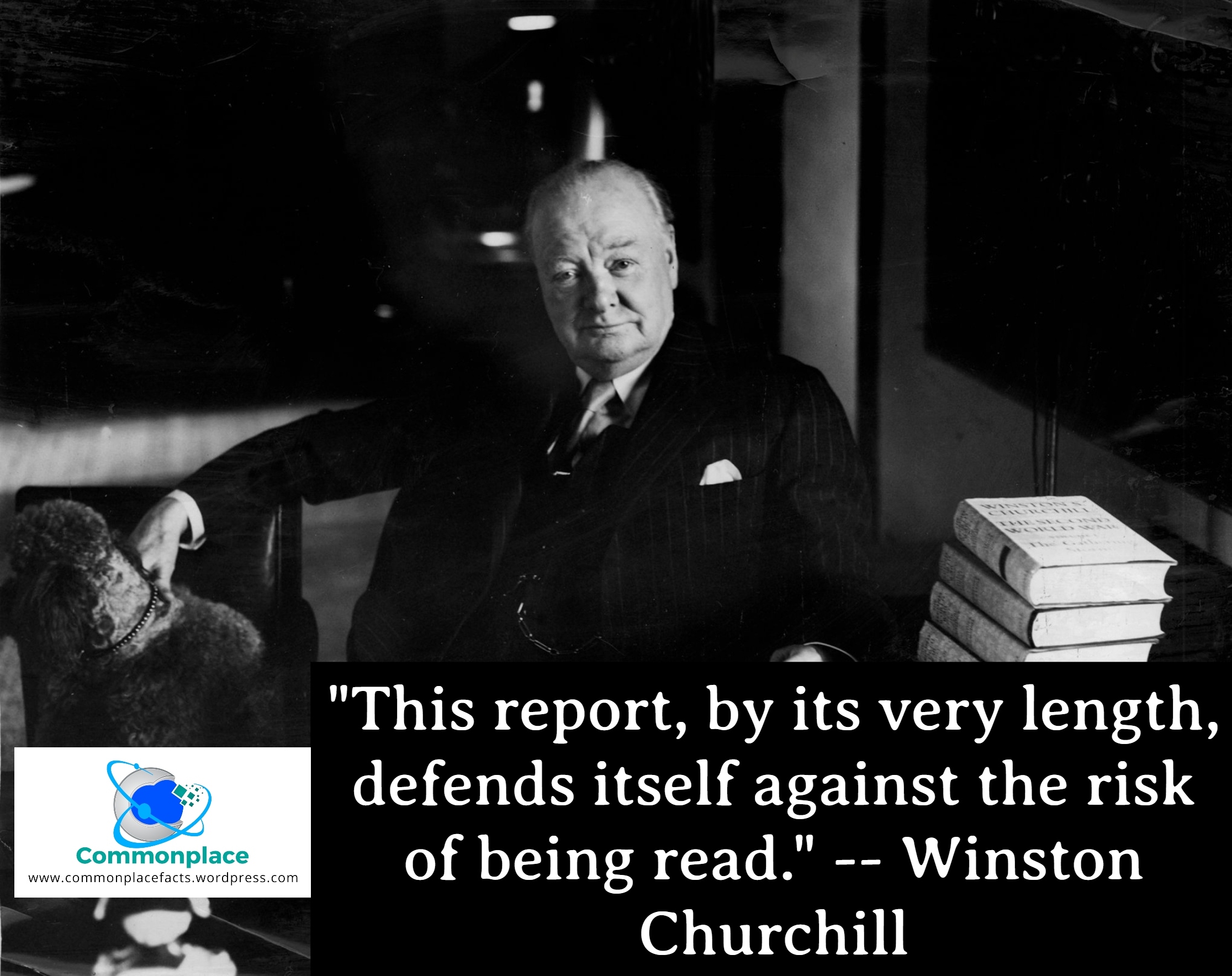

Winston Churchill on the Importance of Brevity
Winston Churchill is remembered for some of the most memorable speeches in the English language, but he also understood that effective communication sometimes requires knowing when to stop talking.
As prime minister, Churchill had little patience for unnecessarily long official papers. In an August 1940 memorandum appropriately titled “Brevity,” he instructed his colleagues that reports should consist of “short, crisp paragraphs” and urged them to eliminate the “woolly phrases” and padding of official prose. Bureaucracy had met a man who was prepared to edit it.

That attitude is neatly captured in one of his best-known observations about excessive writing: “This report, by its very length, defends itself against the risk of being read.”
It is a wonderfully efficient criticism. The report was apparently so long that Churchill did not need to explain what was wrong with it. Its size had already submitted the evidence.
Churchill was hardly the only person to discover that brevity can make a point more effectively than sheer volume. In 1923, while Eddie Cantor was starring in Kid Boots, producer Florenz Ziegfeld reportedly sent him a twelve-page telegram filled with suggested changes, questions, and instructions. Cantor answered the entire thing with a single word: “Yes.” Ziegfeld and Churchill approached the problem from opposite directions, but the lesson was much the same: eventually, additional words stop helping.
The lesson remains useful for anyone writing reports, emails, legal memoranda, or anything else intended for an actual human being to read: more words do not necessarily produce more clarity. Sometimes they merely provide additional places for the reader to give up.
You may also enjoy…

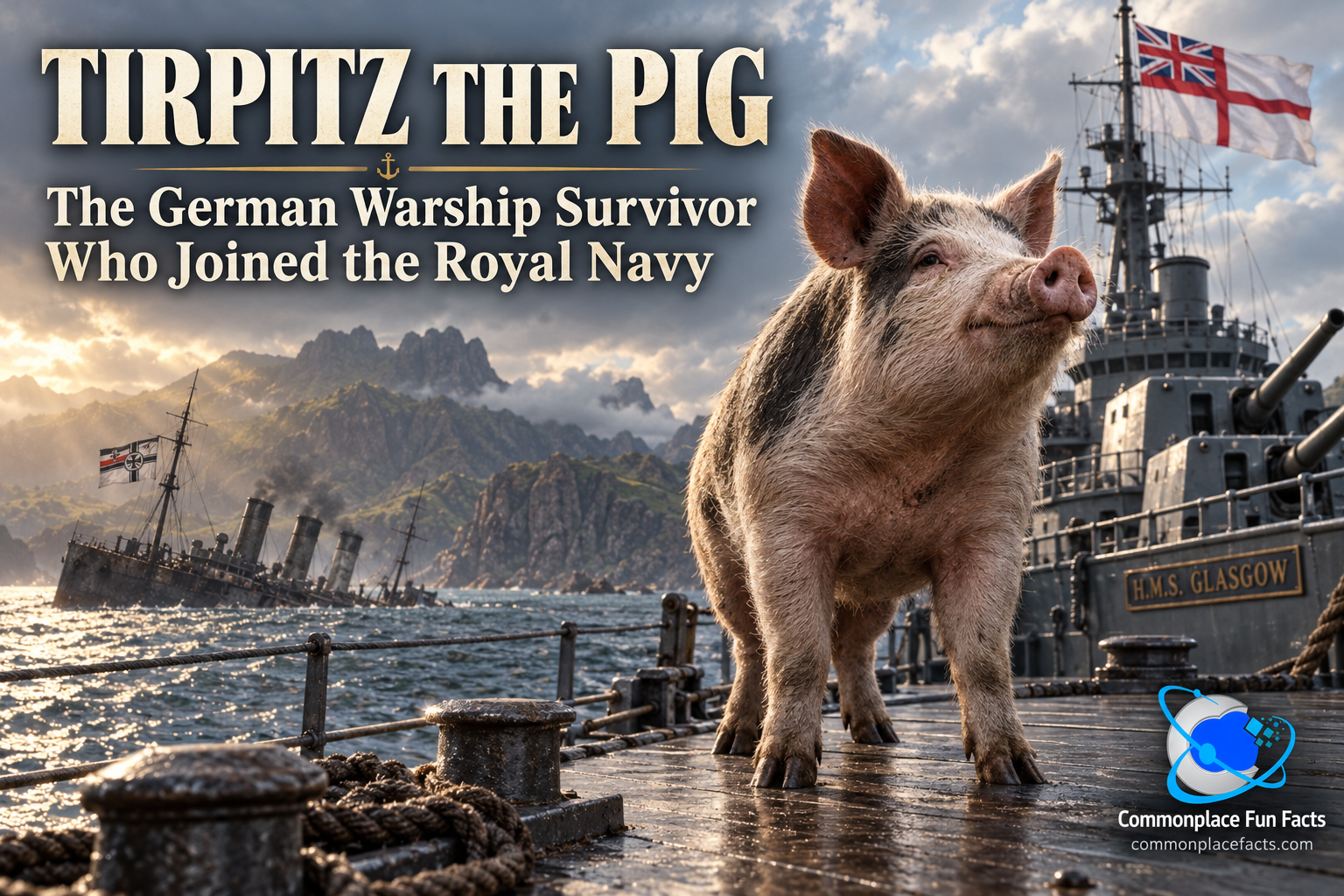
Tirpitz the Pig: The German Warship Survivor Who Joined the Royal Navy
Meet Tirpitz, the German pig who survived a sinking warship, joined the Royal Navy, raised money for charity, and ended up in a museum.

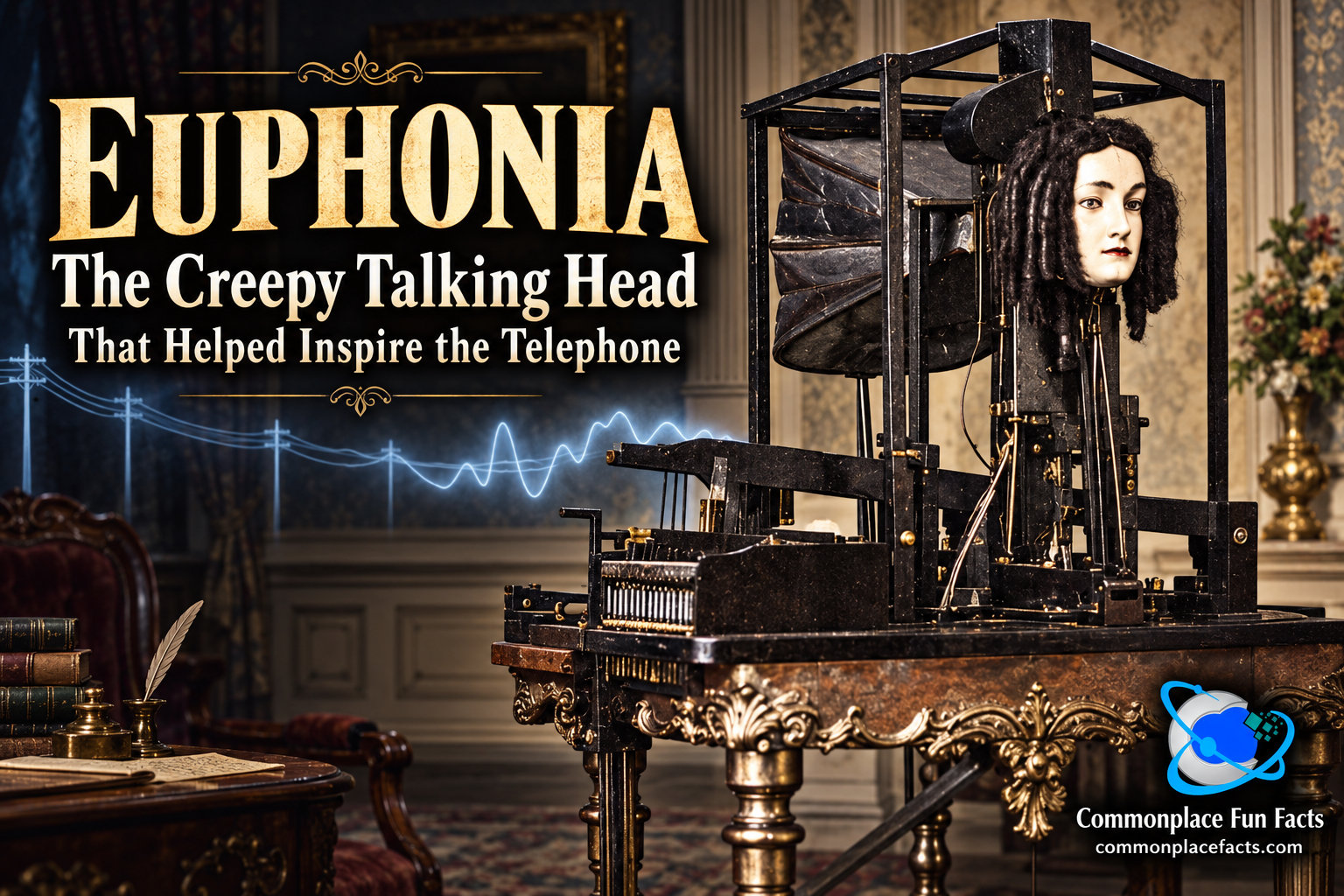
Euphonia: The Creepy Talking Head That Helped Inspire the Telephone
Joseph Faber’s eerie Euphonia talking machine synthesized speech, fascinated scientists, and helped shape ideas that pointed toward the telephone.

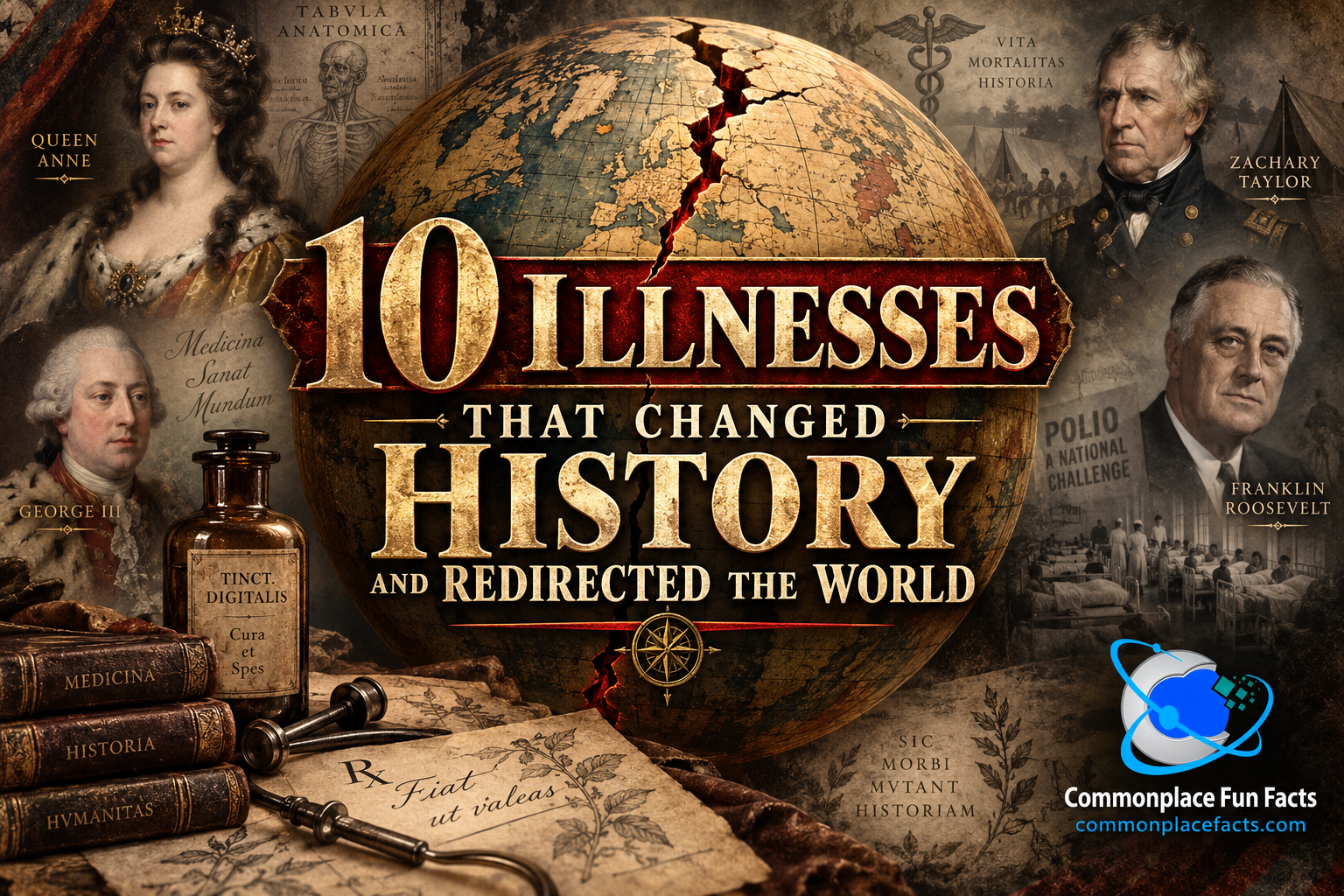
10 Illnesses That Changed History and Redirected the World
Discover 10 illnesses that changed history, altered dynasties, toppled plans, reshaped governments, and even redrew maps.



Leave a Reply