
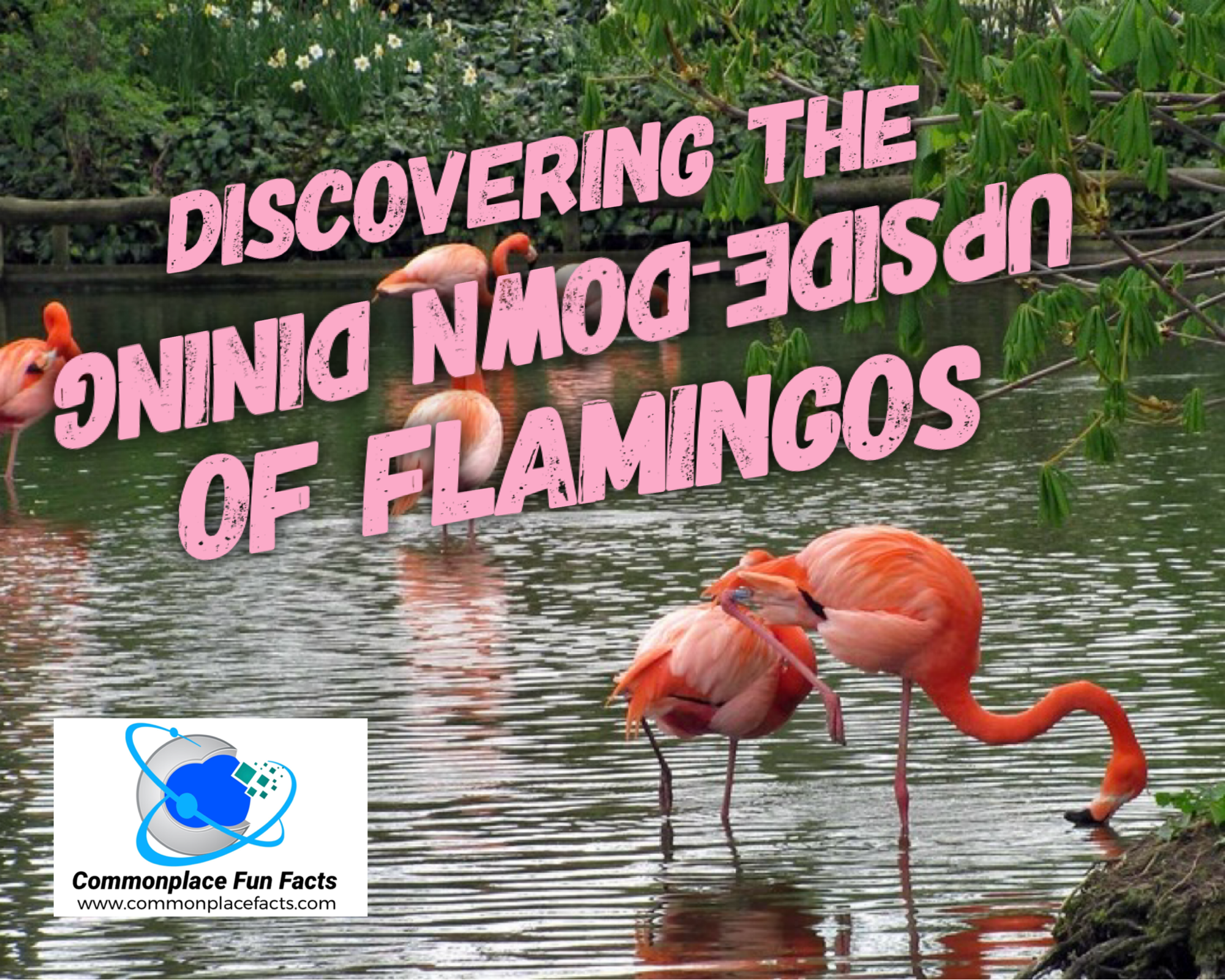

Flamingos, those iconic ambassadors of grace with their vibrant pink plumage and slender legs, never fail to capture our imagination. Beyond their stunning appearance, these elegant birds boast a feeding habit that is as peculiar as it is fascinating: they can only dine with their heads upside down!

Imagine a flamingo delicately balancing on its long legs, its neck bent in a graceful arc as it plunges its head beneath the water’s surface. This unusual behavior isn’t just for show; it’s a finely tuned feeding strategy that sets flamingos apart in the avian world.
So, why do flamingos prefer to dine upside down? It all comes down to their specialized anatomy and the unique challenges of their environment.
The Perfect Beak for Upside-Down Dining
At the heart of this upside-down spectacle is the flamingo’s remarkable beak. Unlike the stout bills of many birds, a flamingo’s beak is long, slender, and uniquely shaped. This design isn’t just for looks; it’s optimized for filtering food from water. The flamingo sweeps its beak upside down through the water, using a sophisticated filtration system to sift out small invertebrates, algae, and other tasty morsels while expelling excess water. The lower beak, longer and more flexible than the upper, plays a crucial role in this process, ensuring efficient feeding even in the most challenging aquatic environments.
Maximizing Foraging Efficiency
Feeding upside down isn’t just a quirk; it’s a strategic advantage. By positioning their heads upside down, flamingos can reach deeper into the water, accessing food sources that other birds might miss. This technique allows them to exploit rich feeding grounds efficiently, ensuring they get their fill without unnecessary competition.
Social Harmony Through Unique Feeding Habits
Flamingos are social creatures, often found in large colonies for breeding and feeding. Their upside-down feeding behavior isn’t just about efficiency; it’s also a smart social strategy. By feeding with their heads submerged, flamingos minimize competition within their colonies. Each bird can focus on its patch of water, reducing the likelihood of clashes over food. It’s a peaceful coexistence fostered by their distinct feeding style.
Gravity-Assisted Digestion
Beyond feeding, the upside-down posture also aids digestion. Flamingos have their esophagus positioned at the lower end of their heads, which means that gravity helps food move effortlessly down into their digestive system. This natural flow ensures smooth digestion and efficient nutrient absorption, supporting the flamingo’s overall health.
In the colorful world of flamingos, even their dining habits are a marvel of adaptation and efficiency. From their specialized beaks to their strategic upside-down feeding technique, every aspect of a flamingo’s life is finely tuned to its watery habitat. So, the next time you catch a glimpse of these pink beauties gracefully dining with their heads in the water, remember: it’s not just about elegance, but a clever survival strategy that turns the conventional wisdom of the animal world upside down.

How to Write the Commonplace Fun Facts Way: 12 Steps for 12 Years
Celebrate 12 years of Commonplace Fun Facts with a behind-the-scenes look at how to write with curiosity, skepticism, research, and rabbit trails.

Will My Dog Eat Me If I Die? Your Cat May Not Be the One to Worry About
Admit it. You’ve wondered, “Will my dog eat me if I die at home alone?” OK, maybe you’re wondering about your cat. Forensic science has investigated the unsettling question—and the answer may surprise pet owners.

The Origin of the Tooth Fairy: How a Tooth-Stealing Mouse Became a Childhood Icon
Discover the strange origin of the Tooth Fairy, from ancient tooth rituals and tooth-collecting mice to the modern fairy who leaves cash under pillows.





Leave a Reply