

Colorblindness: What It Is, What It Isn’t, and Why Your Charts Are the Problem
Explore colorblindness: what it is, common myths, causes, everyday challenges, and surprising advantages in this humorous, informative guide.
Keep readingExplore colorblindness: what it is, common myths, causes, everyday challenges, and surprising advantages in this humorous, informative guide.
Keep readingCheck Out the Latest

The katzenklavier, or “cat organ,” was a disturbing musical contraption featuring cats with tails connected to a keyboard’s sharp nails. Likely invented by 17th-century scholar Athanasius Kircher, it aimed to cheer up a melancholic prince through a chorus of feline distress. Despite its barbarity, a psychiatrist proposed using it for treating mental disorders. A modern,…
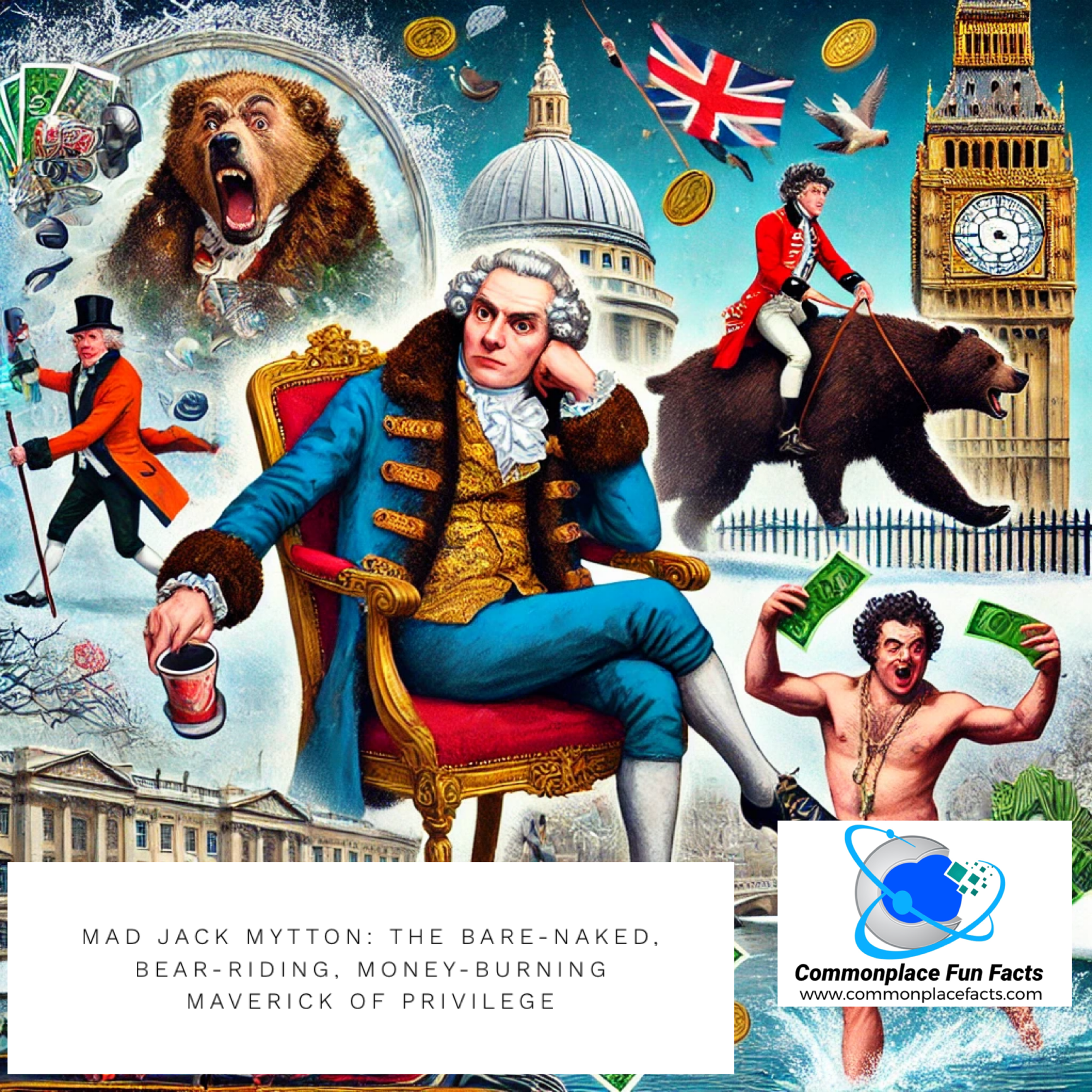
In the wild pages of 18th and 19th-century literature, roguish figures like Squire Mad Jack Mytton reigned supreme, making today’s rock stars seem tame. John “Mad Jack” Mytton was the living incarnation of danger and recklessness, indulging in wild escapades involving animals, alcohol, and outrageous spending. His tumultuous life ended in debt and ruin at…

Curious about the dark side of AI? Dive into the eerie world of Roko’s Basilisk—a thought experiment that blurs the line between science fiction and reality. Could a future AI punish us for not helping to create it? Explore the chilling implications in this must-read article.

Nutmeg, a seemingly innocuous spice, held immense power in shaping empires and deciding the fate of Manhattan in the 15th century. This spice, coveted for its supposed medicinal and aphrodisiac qualities, sparked intense competition among European powers, leading to brutal conflicts in the Banda Islands. The eventual trade of Manhattan for a nutmeg-rich island underscores…
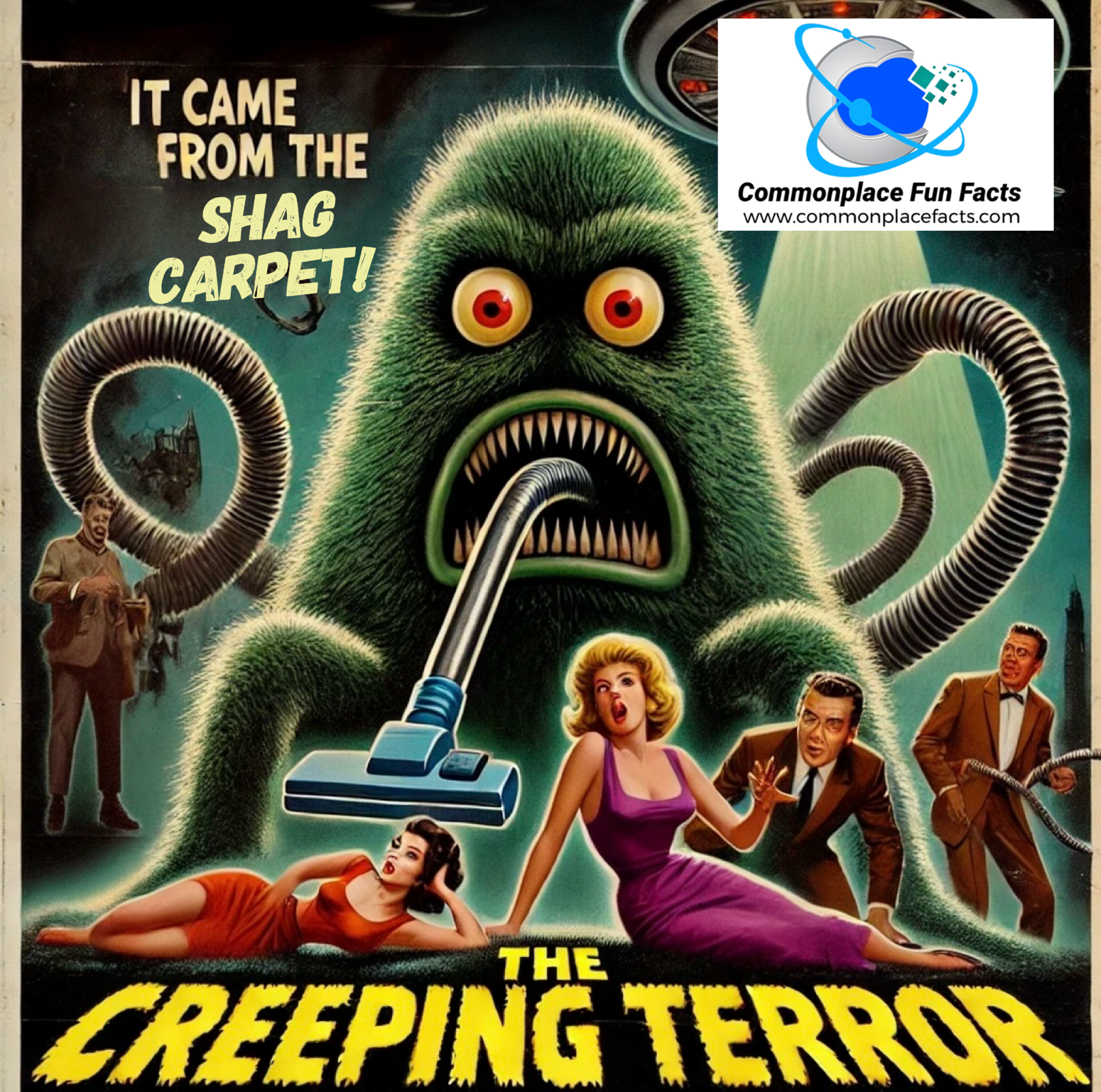
The Creeping Terror, a 1964 sci-fi horror film, defied traditional cinema standards with its comically atrocious alien monster made from shaggy rugs, created by inexperienced director and actor Vic Savage. Despite financial troubles and lack of editing, the film gained a cult following for its “so-bad-it’s-good” charm, solidifying its place in cinematic history.

In 1967, a California teacher conducted a social experiment, creating a high school dictatorship in just five days. His students eagerly embraced fascist ideals, signaling the ease with which individuals are swayed to totalitarianism. This compelling tale of manipulation serves as a chilling reminder of the susceptibility of society to authoritarian influence.

In August 2, 1947, the “Star Dust” airplane vanished in the Andes Mountains, with a cryptic last message, “STENDEC,” adding to the mystery. In 1998, the wreckage was found, but the meaning of “STENDEC” remains unsolved. Theories range from it being a mistake to an acronym, but its true significance remains a compelling aviation mystery.

William Howard Taft, the 27th President of the United States, spent the last decade of his life in a home located in what has become foreign territory.
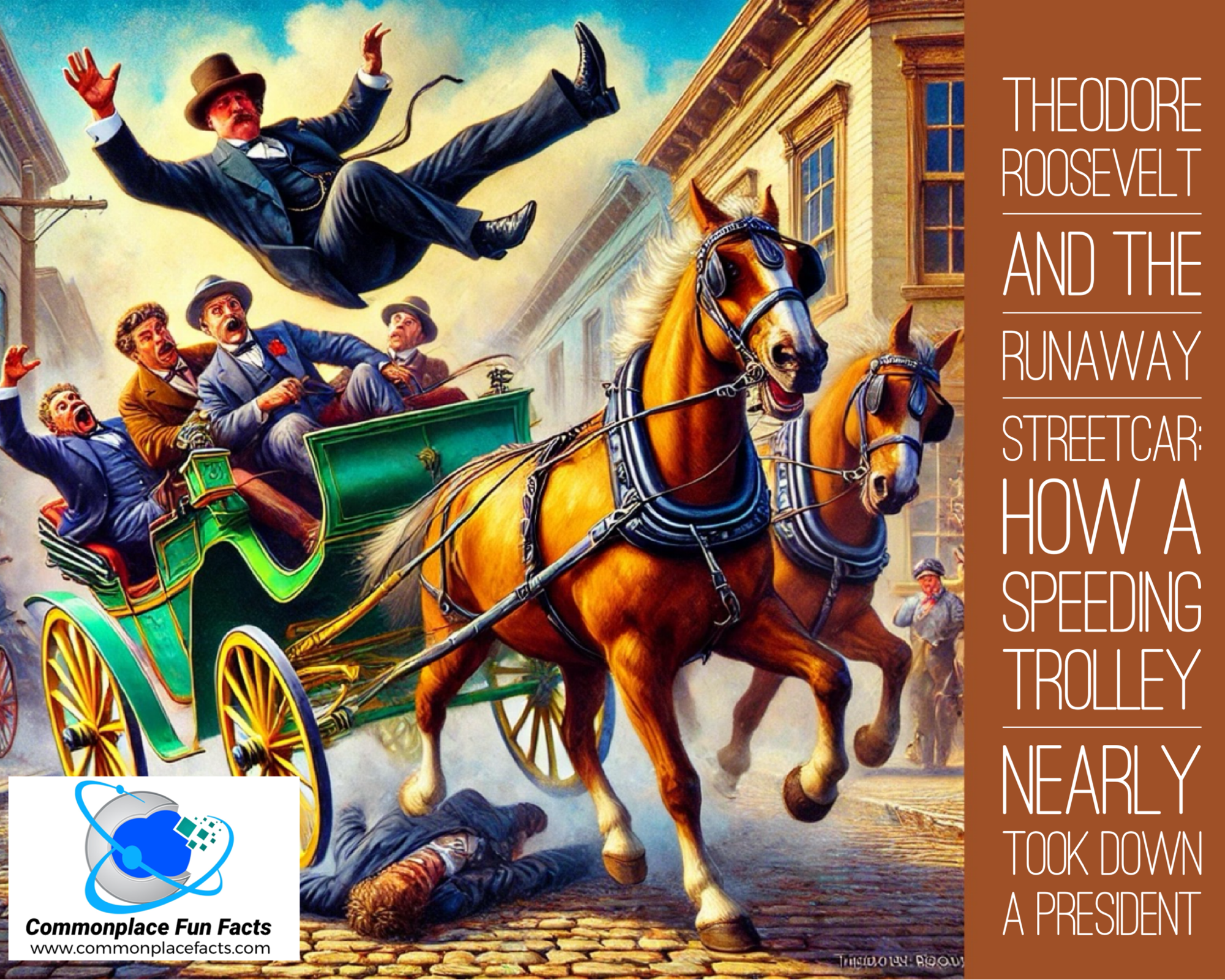
In 1902, President Theodore Roosevelt narrowly escaped death when a streetcar collided with his carriage, killing a Secret Service agent. His close call with death brought the nation perilously close to losing two presidents in one year. While Roosevelt was able to joke about the incident later on, the incident highlighted the nation’s vulnerability to…

The vice presidency in the U.S. has a peculiar history, often deemed insignificant. Before the 25th Amendment in 1967, the office had few defined duties. Presidents like John Adams and Thomas Jefferson faced challenges with their vice presidents, and the office struggled to gain relevance until the Cold War prompted the 25th Amendment’s ratification in…

The eligibility of US presidents has sparked conspiracies since the country’s beginning. Chester A. Arthur was the subject of the nation’s first Birther Controversy when he faced claims of being born outside the USA, but evidence disproved them. Despite unsettling rumors, Arthur focused on political challenges, surprising allies with support for civil service reform. Today,…
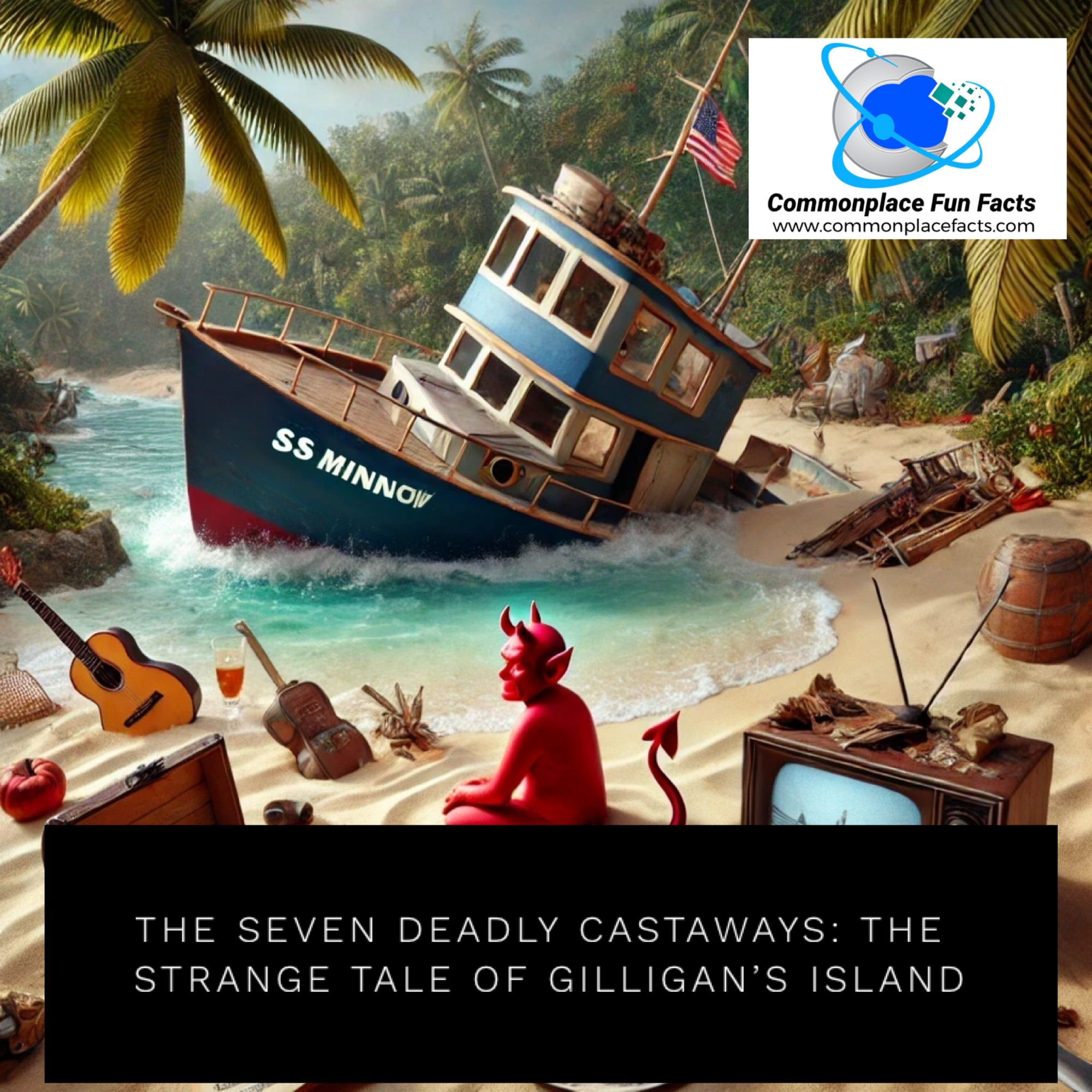
We all know Gilligans Island, the 1964-1967 sitcom, but do you know the wild fan theory that the castaways represent the seven deadly sins?

“Be fit for more than the thing you are now doing. Let everyone know that you have a reserve in yourself; that you have more power than you are now using. If you are not too large for the place you occupy, you are too small for it.“ — Chester A. Arthur

“In life, all good things come hard, but wisdom is the hardest to come by.” — Lucille Ball

“ When the whole world is running towards a cliff, he who is running in the opposite direction appears to have lost his mind.” — C.S. Lewis


