


If Charles Abbott’s attorney gives the impression of being as wise as an owl, that might be because he is one. Granted, he’s a stuffed owl, but that can be excused, because he isn’t really a lawyer, either. None of these facts prevented Abbott from bringing him along to represent him before the Pitkin County, Colorado court in May, 2015.
Referring to his attorney as Solomon, Abbott explained that he is a sensitive fellow who holds three law degrees from three different law schools and would do a better job representing him than would a court-appointed public defender.
Hopefully Solomon would have understood that he needed only one law degree to be able to practice law, but that did not come up in the hearing.
Abbott, who was facing charges for violating an order of protection, did not seem to seek much counsel from his wise barrister. Instead, Abbott appeared to act as his own attorney.
He was charged with entering his former roommate’s home, despite a restraining order that prevented his being there. Abbott claimed he was there to get his property, and pointed out that his former roommate showed up in court wearing one of Abbott’s own shirts. He described the shirt as “the blue one,” suggesting that perhaps he only owns two shirts. Again, the record is not clear on this point, and Solomon must bear at least part of the responsibility, since he just sat there throughout the proceedings, without uttering a word.
In Solomon’s defense, he would probably have done better if court had been held during the evening hours. I understand he isn’t much for those bright, sunny Aspen, Colorado days.

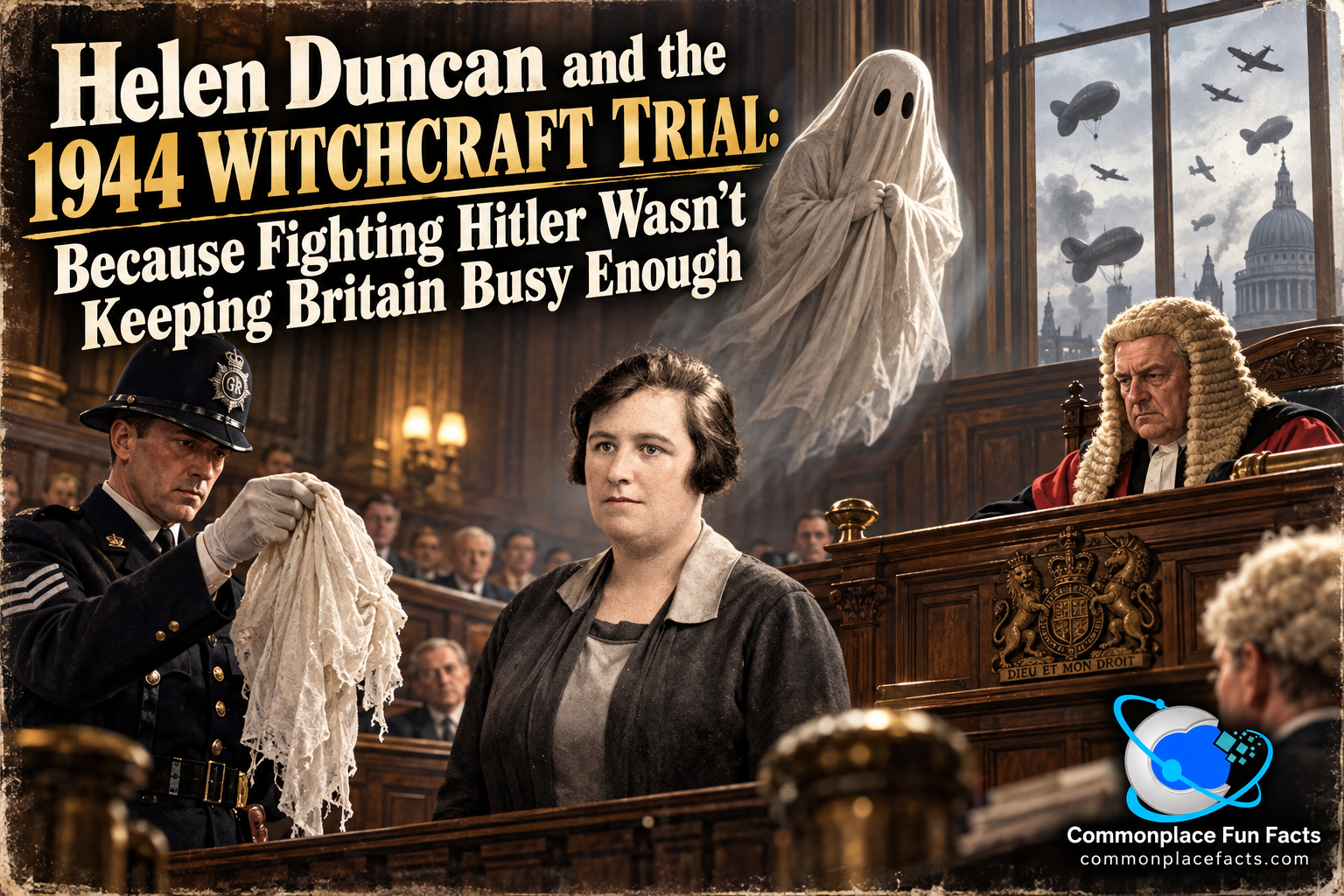
Helen Duncan and the 1944 Witchcraft Trial: Because Fighting Hitler Wasn’t Keeping Britain Busy Enough
In 1944, while Britain prepared to invade Nazi-occupied France, Helen Duncan went to prison under a witchcraft law dating from 1735. Her extraordinary case involved suspicious ectoplasm, a sunken battleship, an outraged Winston Churchill, and a legal system that apparently hadn’t finished with the eighteenth century.

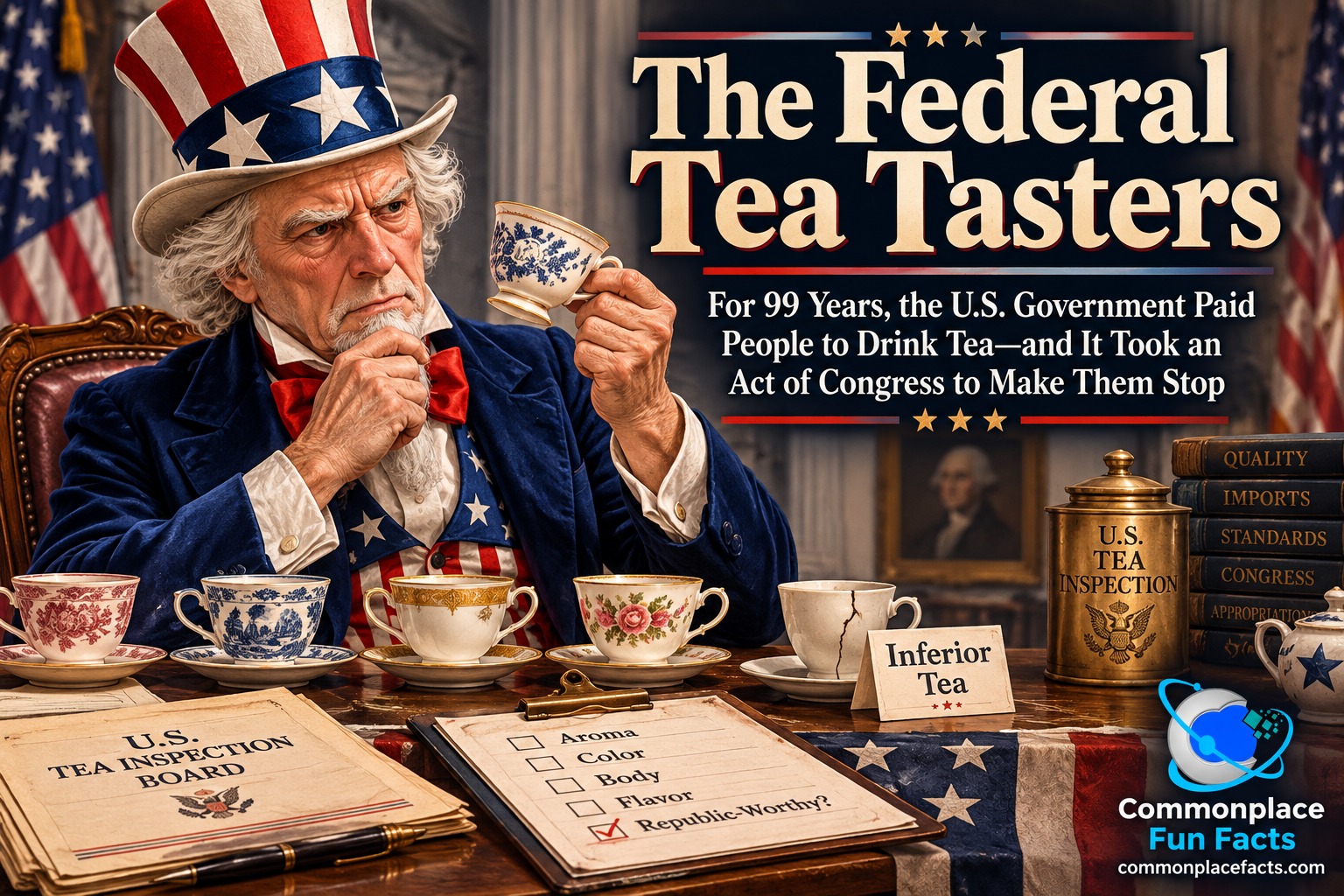
The Federal Tea Tasters: For 99 Years, the U.S. Government Paid People to Drink Tea—and It Took an Act of Congress to Make Them Stop
For nearly a century, the federal government employed professional tea tasters to determine whether imported tea was good enough for Americans. The program survived multiple presidents, inspired a Supreme Court decision, and required an act of Congress to abolish. Naturally, it took another 27 years to finish the paperwork.

The 11 Strangest Supreme Court Cases in American History: Tomatoes, Stolen Airplanes, and Terrified Chickens
Explore 11 of the strangest Supreme Court cases involving tomatoes, stolen airplanes, baseball, homegrown wheat, nervous chickens, and other legal oddities.


Leave a Reply