


When Thomas Savage attempted to develop the first scientific classification of the large primate we know as the gorilla, he reached back over 2,000 years and found a word in a long-filed and nearly-forgotten report.
Carthaginian admiral Hanno traveled around 60 BC from Carthage (in present-day Tunisia) down the western coast of Africa. Along the way, he encountered hairy, aggressive creatures he called “gorillai” (Γόριλλαι). It was this term Thomas Savage used in naming the modern-day gorilla.
Interestingly enough, that original term can best be interpreted as “a tribe of hairy women.”

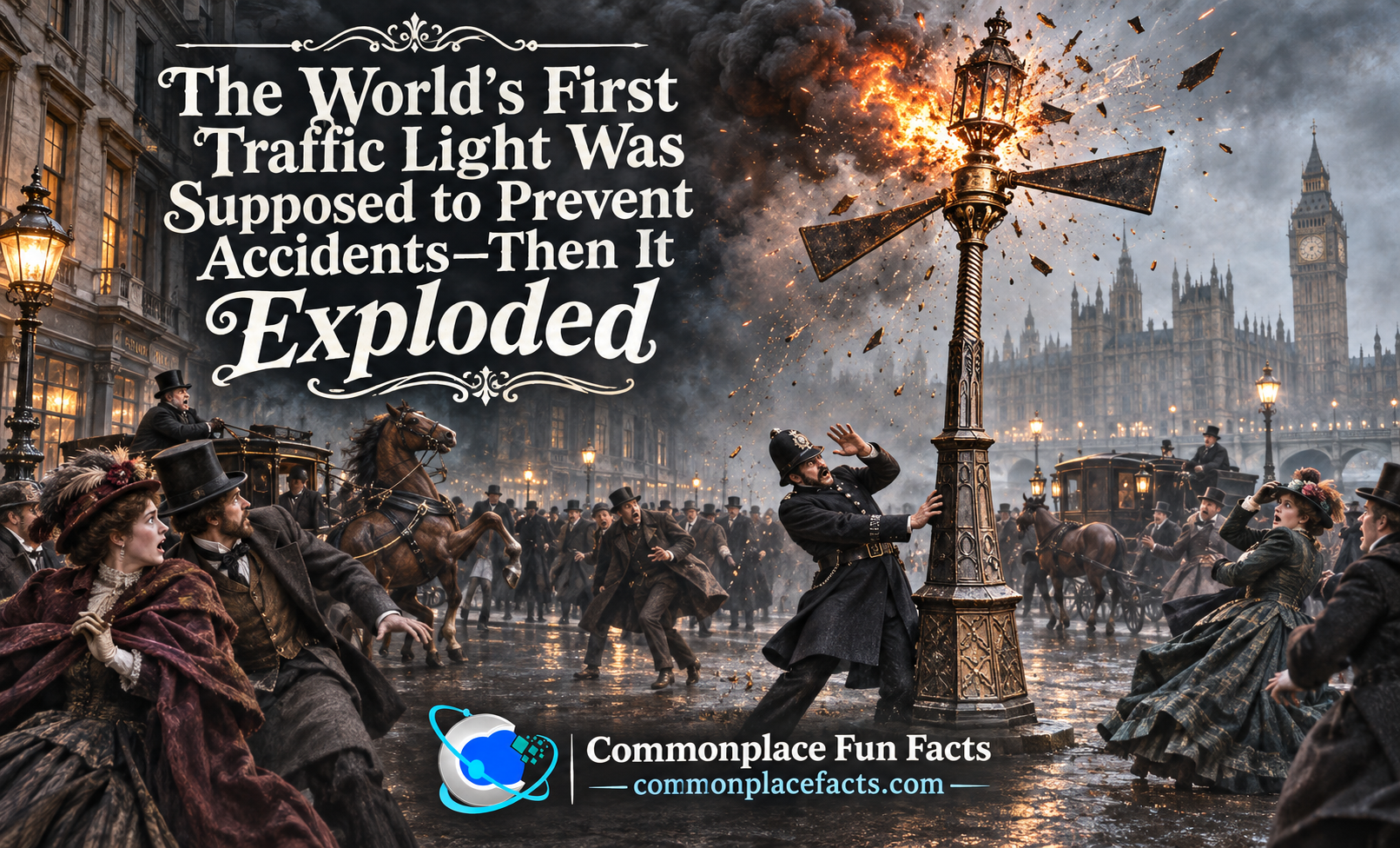
The World’s First Traffic Light Was Supposed to Prevent Accidents—Then It Exploded
In 1868, London unveiled the world’s first traffic light to make its streets safer. There were no automobiles, the signal required a policeman to operate it, and the nighttime lights ran on gas. Less than a month later, it exploded and severely injured the officer. Traffic safety had gotten off to a rather explosive start.

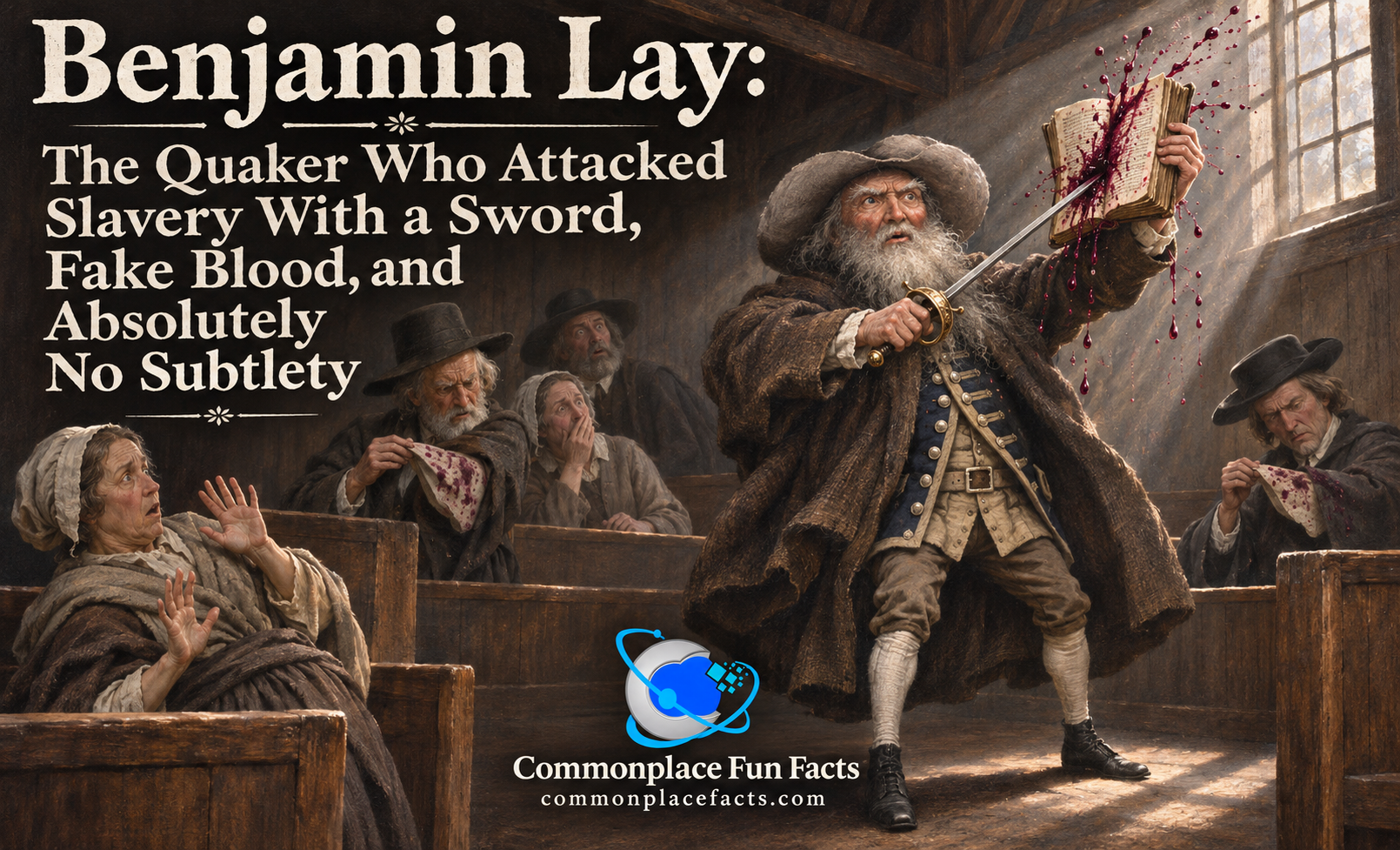
Benjamin Lay: The Quaker Who Attacked Slavery With a Sword, Fake Blood, and Absolutely No Subtlety
Benjamin Lay believed owning people was incompatible with loving your neighbor, a position that proved surprisingly controversial among his fellow Quakers. Armed with a sword, a hollowed-out book, and berry juice, the abolitionist delivered a protest that left respectable slaveholders with uncomfortable questions and some unfortunate stains.

The Great Horse Flu of 1872: When America’s Transportation System Called in Sick
In 1872, America’s transportation system came to a screeching halt—not because of a fuel shortage or mechanical failure, but because the horses caught the flu. Streetcars stopped, deliveries stalled, and even firefighters struggled to reach emergencies. Discover how the Great Horse Flu epidemic brought an industrial nation to its knees and exposed the surprising weakness…


Leave a Reply