
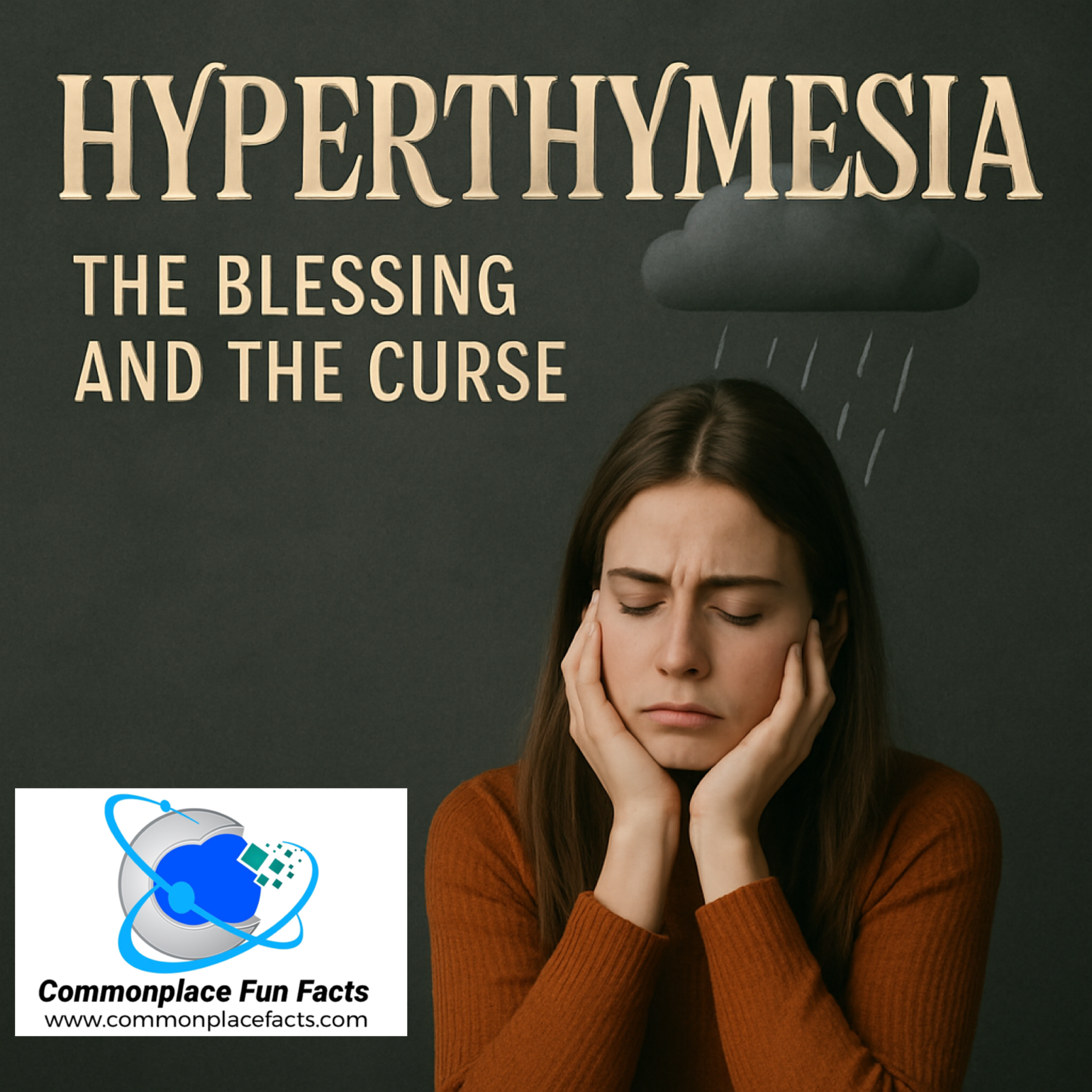

This Article is Brought to You by the Letter “H,” for “Hyperthymesia”
Imagine if you could remember every single day of your life with crystal clarity—what you wore, what you ate, what the weather was like, and what your cousin said at that birthday party in 1997 that still makes you question why he’s legally permitted to interact with polite society without proper supervision. Sounds like a superpower, right? Well, before you sign up for the memory-enhancement upgrade, let’s talk about hyperthymesia, a condition where this isn’t just possible—it’s your default operating system. And like all superpowers, this one comes with a few caveats, including a side effect you wouldn’t expect: chronic sadness. Buckle up, memory lane’s about to get bumpy.
Contents
What is Hyperthymesia?
Hyperthymesia, also called Highly Superior Autobiographical Memory (HSAM), is a rare condition in which people have an almost eerie ability to recall nearly every detail of their personal lives. We’re not talking about remembering your co-worker’s birthday (which, let’s be honest, most of us outsource to our phones), but remembering what you had for lunch on August 19, 2003. And also what you wore. And the number of birds you saw that day. In order of wing flaps.
This condition is so rare that as of now, fewer than 100 people worldwide have been officially diagnosed with it. These are the memory olympians of humanity—the kind of people who remember what day of the week it was when someone said, “Hmm… Your hairstylist must have been having an off day.”(and still haven’t been able to get over it).
Memory on Overdrive
People with hyperthymesia aren’t just good at trivia night; they experience memory like a relentless personal biographer who refuses to stop taking notes. The memories are automatic and unintentional—they don’t “try” to remember these details; the details just refuse to leave. If this sounds like part of the plot of Rain Man (which was based on a real person, by the way), you’re not far off, but there’s an important distinction. It’s not that they have a photographic memory for everything—they’re not going to memorize your Wi-Fi password just by glancing at it—but their autobiographical recall is exceptional.
Here’s the catch: those memories come with all the emotional baggage included. You and I might remember that high school breakup as a vague fog of awkwardness and reruns of sad movies. But someone with hyperthymesia? They’ll relive it with the emotional sharpness of it having happened yesterday. Every heartbreak, every embarrassment, every tragic loss—they’re all there. Forever. And in full color. Unless they’re colorblind, of course, but why kick a guy when he’s down?
When a Good Memory Goes Bad

Although a super-charged memory might sound like a dream come true for those of us who can’t even remember why we walked into the kitchen, it’s actually a bit of a nightmare. Many individuals with hyperthymesia report high rates of depression and anxiety. And who could blame them? It’s hard to live in the present when your brain insists on constantly dragging you back to the most painful chapters of your past.
Dr. James McGaugh, the neuroscientist who first reported his findings on the phenomenon in 2005, noted that people with the condition often describe their memories as a “running movie” that never stops playing. There’s no pause button. No fade to black. Just an endless marathon of past experiences, many of which are emotionally charged and uncomfortably detailed.
Not Your Average Nostalgia
Let’s be honest: most of us curate our memories like a greatest hits album. We keep the good stuff (graduations, vacations, that time we nailed a witty comeback) and let the rest fade into background noise. But hyperthymesia doesn’t come with a filter. Everything is remembered. In context. With mood. In HD.
This relentless recall can lead to mental exhaustion. When your mind keeps pulling you back to your worst days without your consent, it’s easy to understand how depression might follow. It’s like being haunted by your own past, except the ghost is you, and instead of chains, it’s dragging around every awkward conversation you’ve ever had.
The Bright Side (Yes, There Is One)
It’s not all doom and gloom. Some people with hyperthymesia use their extraordinary recall to help others—like documenting family histories, advocating for memory research, or just being really, really good at remembering birthdays. And let’s not overlook the advantage of never needing to write anything down. Class notes? Please. They’ve memorized the lecture while drawing cartoons in their notebooks.
But many who live with the condition say they’d trade it all in a heartbeat for a little peace of mind. Being able to forget isn’t a flaw—it’s a psychological feature. A healthy brain knows when to let go. Hyperthymesia doesn’t come with that luxury.
So What Can We Learn?
Memory is tricky. We tend to think more is better, but like so many things (caffeine, glitter, unsolicited advice), there’s a sweet spot. Actually, forget about the glitter—there’s no such thing as an acceptable amount.
The ability to forget may be as important as the ability to remember. It’s what allows us to heal, to move forward, and—mercifully—learn from our mistakes rather than constantly reliving them.
So the next time you forget where you parked, consider it a small victory for mental health. Somewhere out there is someone who remembers every single parking space they’ve ever used. At the same time, that person remembers the expressions on the faces of all the drivers who were upset about not getting that parking spot first.
And that, friends, is your brain on hyperthymesia. Use with caution.
You may also enjoy…

Leonardo da Vinci: The Extraordinary Genius Who Outperformed Everyone for 500 Years and Still Thought He Was a Slacker
Leonardo da Vinci was one of the most brilliant people of all time. His accomplishments transformed the fields of art, engineering, mathematics, and so much more. Despite all of this, his last words showed that he felt he was a slacker. Learn more here!

Memory Palaces: Ancient Mind Tricks for Modern Minds
Unlock the secrets of the ancient memory palace technique, used by Greek poets and Roman orators to remember everything from speeches to shopping lists. Learn how to apply this powerful trick to your modern life.

Does Pink Purposefully Prevent Prisoners From Pummeling People?
When you see the color pink, you might think about any number of things: the panther nemesis of Inspector Clouseau, Floyd’s first name, the last name of Clara Oswald’s boyfriend in Doctor Who, or the strangely-colored poop pandemic that had its origins in breakfast cereal. Whatever you think of is not nearly as important as…





Leave a Reply